If you wake up with a sore jaw or constant headaches, you are not alone. Many residents in Prosper, TX ask the same question: is your jaw pain caused by stress, grinding, or a bad bite in Prosper? The answer is often one of these three factors — or a combination of all of them. Understanding what drives your jaw pain is the first step toward real relief.
At North Frisco Dental & Orthodontics, Dr. Niloofar Bonakdar helps patients identify the root causes of jaw discomfort every day. This article explains the most common triggers of TMJ disorders so you can better understand what your body is telling you.
What Is TMJ and Why Does It Cause Jaw Pain in Prosper?
The temporomandibular joint (TMJ) connects your jaw to your skull on both sides of your face. It controls every movement you make when you chew, speak, or yawn. When this joint becomes inflamed or misaligned, you experience a condition known as TMJ disorder, or TMD.
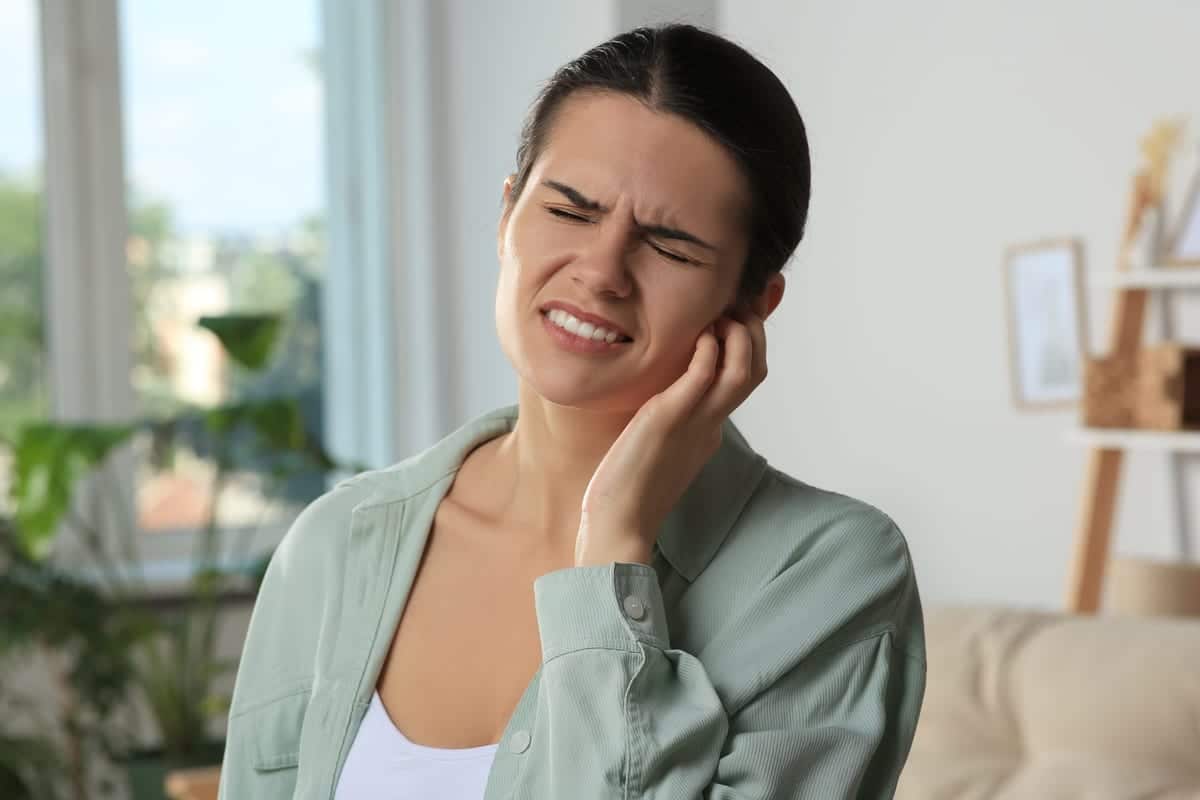
Symptoms can range from mild jaw soreness to sharp, radiating pain. Some patients also experience clicking sounds, ear pressure, or difficulty opening their mouths fully. These signs are your body’s signal that something is disrupting normal jaw function.
TMJ disorders are incredibly common. Millions of Americans deal with them at some point in their lives. Fortunately, identifying the underlying cause makes treatment far more effective.
Is Your Jaw Pain Caused by Stress or Bruxism in Prosper?
Stress is one of the most overlooked causes of jaw pain. When people feel anxious or overwhelmed, they often clench their jaw muscles without realizing it. This constant tension puts enormous pressure on the TMJ over time.
Bruxism — the habit of grinding or clenching your teeth — is closely linked to stress. Many people grind their teeth while sleeping, making it difficult to connect the habit to their daytime symptoms. You might wake up with a dull headache or sore facial muscles and never suspect teeth grinding is to blame.
Common signs of stress-related jaw pain include:
- Jaw soreness that is worse in the morning
- Flattened or worn tooth surfaces
- Frequent tension headaches near the temples
- Facial muscle fatigue after waking up
- Sensitivity in multiple teeth without an obvious dental cause
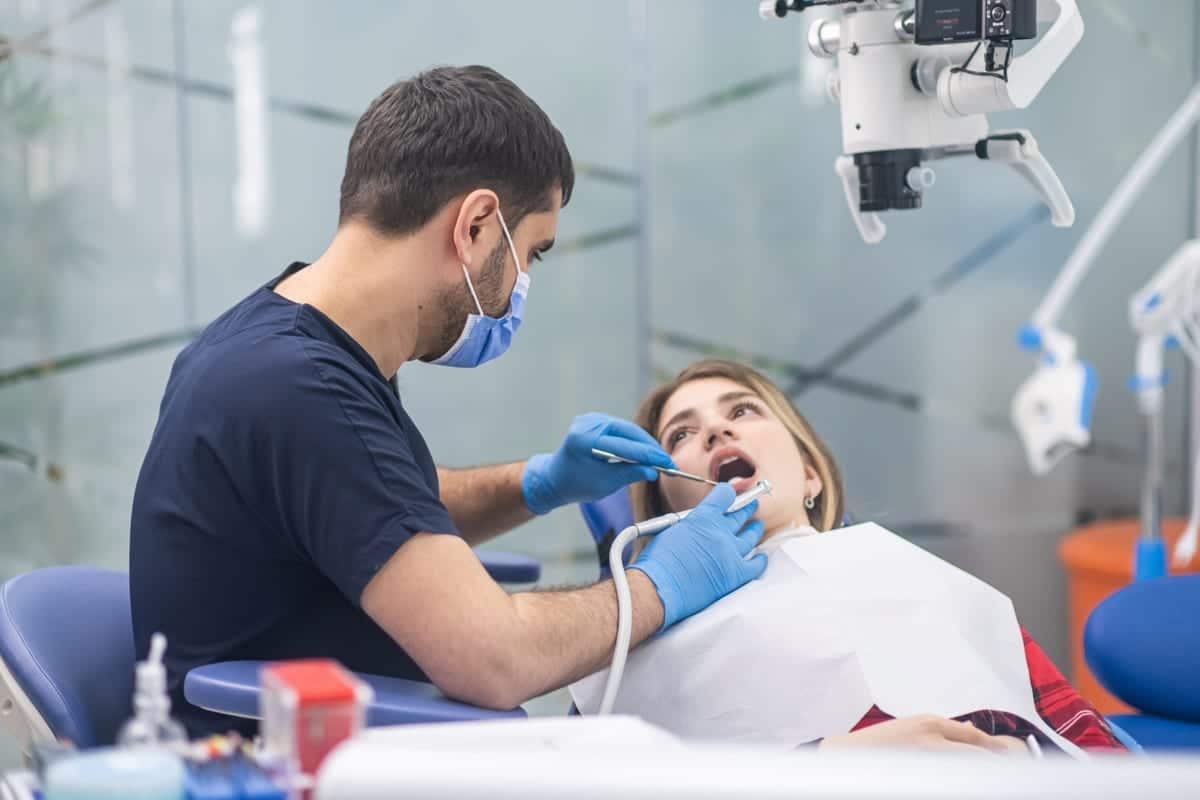
A custom nightguard can protect your teeth from grinding damage. Dr. Bonakdar can evaluate whether bruxism is contributing to your TMJ symptoms during a comprehensive exam.
How a Bad Bite Can Trigger Jaw Disorders
A misaligned bite — known as malocclusion — forces your jaw to work harder than it should. When your upper and lower teeth do not meet evenly, some muscles compensate by overworking. This imbalance creates chronic strain on the TMJ.
Bite misalignment can result from several factors. Crooked teeth, missing teeth, poorly fitted dental restorations, or jaw development issues can all shift how your teeth come together. Even small misalignments can cause big problems over time.
Patients with a bad bite often notice pain on one side of their face more than the other. They may also experience uneven tooth wear or frequent jaw popping. Correcting the bite often dramatically reduces TMJ-related discomfort.
Treatment options for bite-related jaw issues may include orthodontic correction, dental crowns, or other restorative solutions. Dr. Bonakdar will assess your bite carefully before recommending any approach.
Other Common Causes of TMJ Disorders: Arthritis and Jaw Injury
Stress and bite problems are not the only culprits. Arthritis can also affect the TMJ directly. Osteoarthritis degrades the cartilage inside the joint over time, while rheumatoid arthritis causes immune-related inflammation. Both conditions lead to stiffness, pain, and reduced jaw mobility.
Previous jaw injuries are another frequently missed cause. A blow to the jaw, a car accident, or even a sports-related impact can damage the joint’s internal structure. Sometimes TMJ symptoms do not appear until months or years after the original injury.
Other contributing factors to be aware of include:
- Hypermobility of the jaw joint (the joint moves too freely)
- Prolonged dental procedures that strain the jaw
- Connective tissue disorders affecting joint integrity
- Habitual jaw thrusting or nail biting
If you have a history of jaw trauma or a diagnosed arthritic condition, share that information with your dentist. It helps build a more accurate picture of your TMJ health.
When to Seek Professional Help for Jaw Pain
Some jaw discomfort resolves on its own with rest and reduced stress. However, certain symptoms signal that professional evaluation is necessary. Do not ignore these warning signs.
Seek dental care promptly if you experience any of the following:
- Pain that lasts more than a few days without improvement
- Jaw locking or difficulty opening your mouth
- Severe headaches or neck pain alongside jaw soreness
- A noticeable change in how your teeth fit together
- Ear pain or ringing without an ear infection present
At North Frisco Dental & Orthodontics, we take a thorough, individualized approach to diagnosing jaw pain. In cases where deep dental anxiety or procedure-related jaw strain is a concern, our team also offers Sedation Dentistry Prosper patients can rely on for a more comfortable experience.
In some situations, untreated jaw pain can be related to or worsened by other dental infections needing attention. If a tooth infection is suspected, Root Canal Treatment Prosper patients need may help eliminate the source of referred pain affecting the jaw and surrounding structures.
How North Frisco Dental Helps Prosper Patients Find Relief
Dr. Niloofar Bonakdar and the team at North Frisco Dental & Orthodontics understand that jaw pain disrupts your daily life. Our approach starts with listening. We take time to understand your symptoms, history, and lifestyle before recommending any treatment.
Depending on your diagnosis, we may recommend a nightguard for bruxism, bite adjustment therapy, orthodontic evaluation, or restorative dental work. We explain every option clearly so you can make confident, informed decisions about your care.
Prosper patients do not have to live with unexplained jaw pain. Identifying whether stress, grinding, or a bad bite is behind your discomfort puts you in control of your health. Book Now to schedule your appointment with our team.
Frequently Asked Questions
What are the most common causes of TMJ pain?
The most common causes include bruxism (teeth grinding), stress-related jaw clenching, bite misalignment, arthritis affecting the jaw joint, and previous jaw injuries. Often, more than one factor contributes to a patient’s symptoms at the same time.
Can stress alone cause jaw pain without grinding?
Yes. Stress causes many people to habitually tense their jaw muscles even without active grinding. This sustained muscle tension can inflame the TMJ and surrounding tissues, leading to soreness, headaches, and jaw fatigue over time.
How do I know if my bite is causing my jaw pain?
Signs of a bite-related TMJ problem include uneven tooth wear, pain concentrated on one side of your face, and discomfort that worsens when chewing. A dentist can assess your bite alignment during an examination and identify whether it is contributing to your symptoms.
Is TMJ disorder a serious condition that requires treatment?
TMJ disorders range from mild to severe. Left untreated, chronic cases can lead to worsening joint damage, significant tooth wear, and persistent pain. Early evaluation and treatment are always recommended to prevent the condition from progressing.
Can jaw pain be a sign of a dental infection?
In some cases, yes. A severe tooth infection can cause referred pain that radiates into the jaw, making it difficult to distinguish from TMJ disorder. A dental professional can determine whether an underlying infection is contributing to your jaw discomfort.
Ready to see us?
New patients are always welcome.
Book an appointmentCall us (469) 850-5878