10475 Preston Rd, #200, Frisco, TX 75033


6 Habits That Are Bad For Your Teeth
Book Online

Having strong and healthy teeth is something that many of us strive for. It’s important to understand which habits may be detrimental to your dental health so that you can work towards maximizing the longevity of your beautiful smile. In this blog post, we will discuss 6 common habits that can lead to tooth decay and poor oral hygiene if left unchecked. Keep reading to discover these bad habits, why they should be avoided, and how to replace them with healthier alternatives for optimal dental care.
Quit These Bad Habits to Keep Your Smile Healthy
Poor dental habits can lead to cavities and gum disease, which can cause more serious health problems. Read on to learn about six risky dental habits you should ditch for good.
1. Not Brushing Regularly
When brushing your teeth, brushing twice a day is essential. When you don’t brush regularly, the bacteria in your mouth build up, leading to tooth decay and other oral issues. Ensure you brush at least twice daily, preferably after meals and bedtime.
2. Using Hard Bristled Toothbrushes
While it may seem like brushing harder will get your teeth cleaner, that couldn’t be further from the truth. Using hard-bristled toothbrushes can damage your enamel and cause gum recession over time. Instead, opt for soft bristles or an electric toothbrush with soft bristles to ensure you’re not doing any damage while cleaning your teeth.
3. Skipping Flossing
Flossing is just as important as brushing to keep your mouth healthy. Flossing helps remove food particles and plaque between teeth that a toothbrush cannot reach. If these particles are not removed regularly, they can build up and cause cavities or other oral health issues such as gingivitis or periodontal disease.
4. Chewing On Ice
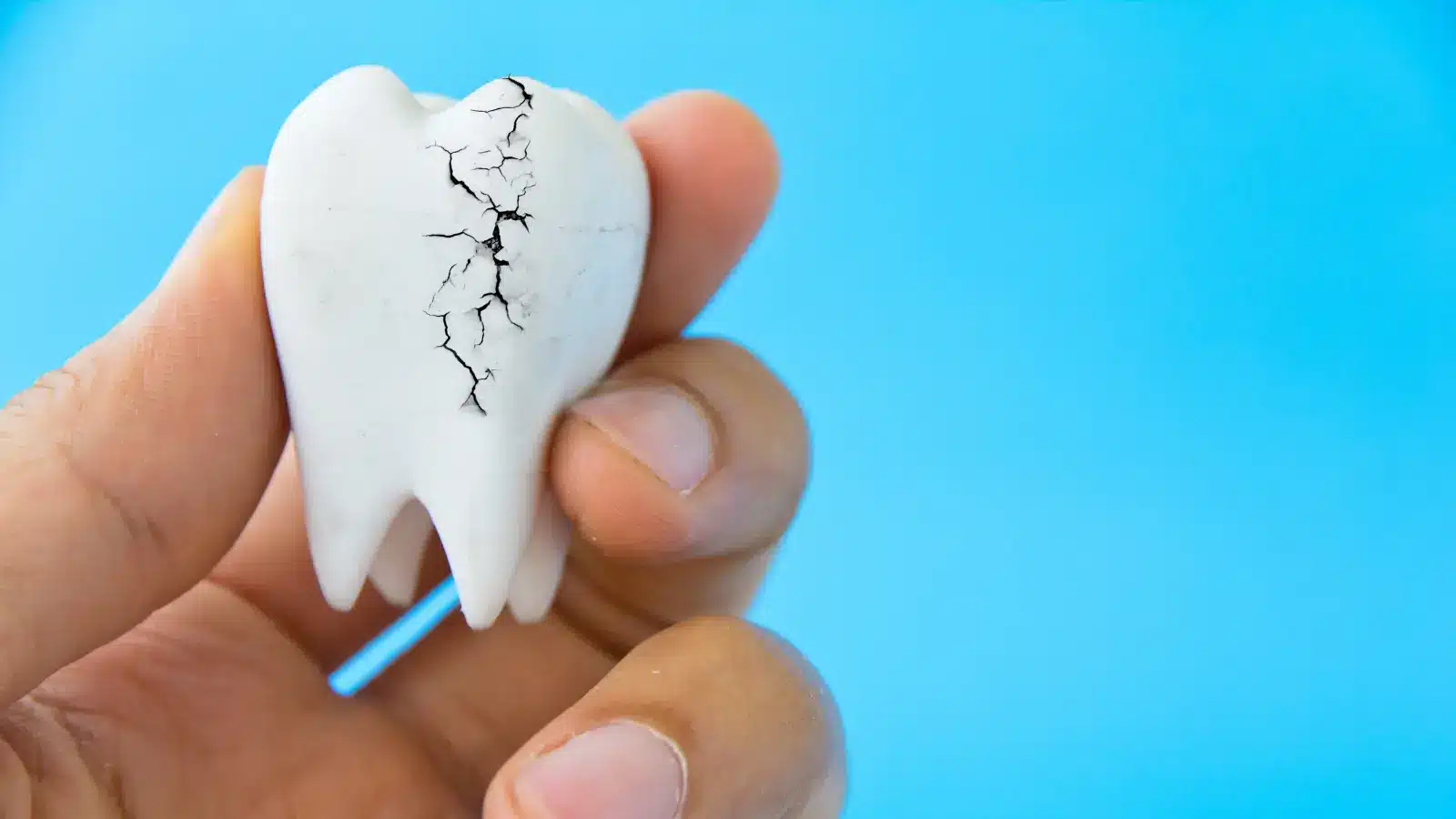
Chewing on ice cubes may seem harmless enough, but it can seriously damage your teeth over time! The hard surface of the ice puts excessive pressure on your enamel which can lead to chips or cracks in the tooth surface — not something you want!
5. Using Your Teeth As Tools
We’ve all done it, using our teeth as tools when we don’t have one handy (eek!). This habit is dangerous for your teeth – if something goes wrong while opening something with your teeth, you could end up chipping them or worse! Instead of relying on our pearly whites for tasks they weren’t meant for, grab a pair of scissors or a knife!
6. Too Much Sugar
Eating too much sugar is one of the worst things for oral health! Sugary foods create an environment where bacteria thrive and feed off the sugar residue left after eating sweets or drinking sugary drinks like soda and juice drinks (yikes). To protect against cavities, stay away from sugary snacks and drinks as much as possible — limiting those sweet treats to special occasions only!
Conclusion:
Taking care of our oral health is essential — poor dental hygiene can lead to bigger health issues if left unchecked! Avoid these six risky dental habits by brushing twice daily with soft-bristled brushes, flossing every night before bedtime, avoiding chewing on ice cubes or using our pearly whites as tools, and eating less sugar overall — this will ensure that our mouths remain happy and healthy for years to come!
FAQs:
Q. What should I do if I have a bad habit related to my oral health?
Answer: If you have a bad habit related to oral health, it is important to talk to your dentist about breaking it to protect your teeth and gums from further damage. Depending on the issue, it could be using a special guard at night for teeth grinding or quitting smoking completely. Your dentist will help develop a treatment plan tailored specifically for you so that you can break these harmful habits and improve your oral health.
Q. How often should I brush and floss my teeth if I have a bad habit?
Answer: It is important for everyone, especially those with unhealthy dental habits, to brush twice daily for two minutes each time using fluoride toothpaste and floss once per day to remove plaque buildup between the teeth, which cannot be reached by brushing alone. In addition, depending on the severity of your particular habit, it may be necessary to use an antibacterial mouth rinse as an additional preventative measure against tooth decay and gum disease.
Q. Are there any long-term health concerns associated with having unhealthy dental habits?
Answer: Yes, bad habits related to dental care, such as smoking or not brushing regularly, can lead to long-term consequences such as periodontal (gum) disease, which is caused by bacteria buildup in plaque that enters beneath the gum line leading to inflammation, swelling and eventually bone destruction around the affected tooth root(s). In addition, it also increases one’s risk for other diseases such as diabetes, heart attack, or stroke due to its connection with inflammation throughout the body.