10475 Preston Rd, #200, Frisco, TX 75033


The Surprising Impact of Acidic Foods on Your Dental Health
Book Online
Are you aware that the foods you consume can significantly impact your dental health? You might have heard that sugary treats and carbonated drinks are terrible for your teeth, but did you know that acidic foods can also harm them? Yes, it’s true! Acidic fruits like lemons and oranges or sour candies may seem harmless, but they could be secretly sabotaging your oral hygiene. In this article, we’ll delve into the surprising effects of acidic food on your dental health and share some tips to keep your pearly whites gleaming. So sit tight and read on!
How Acidic Foods Affect Our Teeth
When it comes to our teeth, we often think of sugary foods as the biggest threat to our oral health. However, acidic foods can be just as damaging to our teeth – and in some ways, even more so.
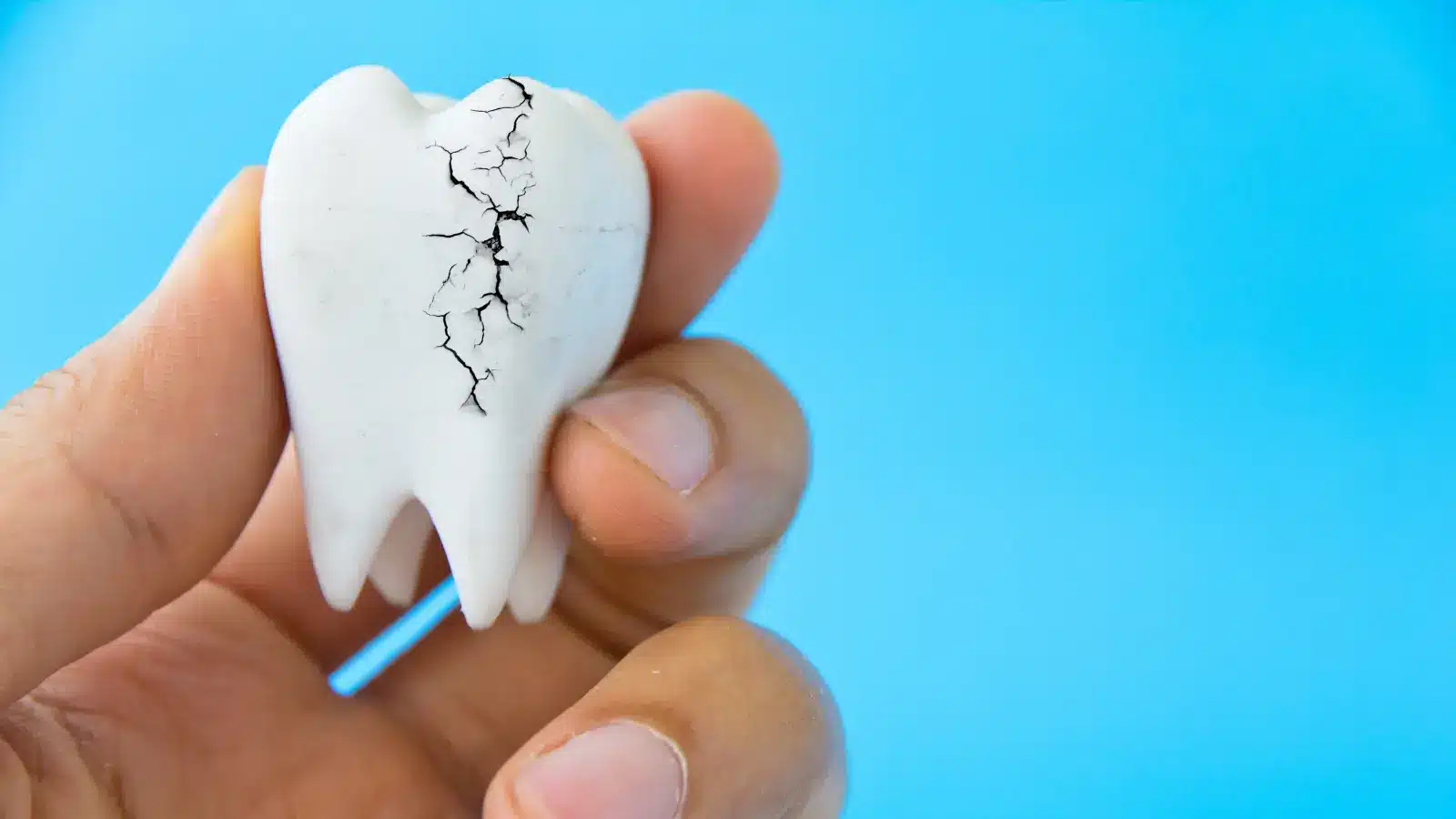
Acidic foods cause tooth enamel to break down and can lead to cavities. They can also cause sensitive teeth and gum problems. In addition, acidic foods can make it harder for your mouth to produce saliva, which is important for keeping your mouth healthy and clean.
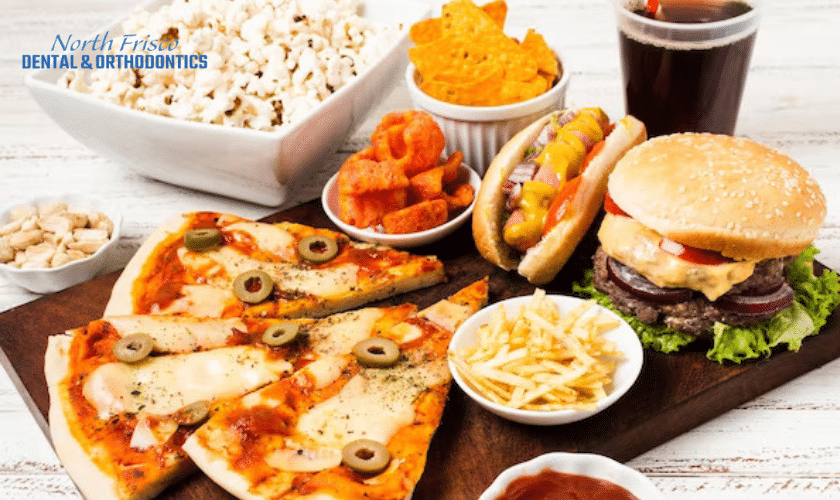
So what exactly are acidic foods? Some common examples include citrus fruits, tomatoes, vinegar, coffee, and soda. While these foods are all fine in moderation, it’s important to be aware of their potential effects on your teeth.
If you do eat acidic foods, there are a few things you can do to protect your teeth. First, try to brush your teeth shortly after eating or drinking anything acidic. This will help remove any acid that has been left on your teeth. Additionally, you can try chewing sugar-free gum or sucking on hard candy after eating acidic foods; this will help increase saliva production and protect your teeth from the effects of the acid.
Lastly, if you’re concerned about the impact of acidic foods on your dental health, be sure to talk to a dentist near you about how best to care for your teeth.
Effects of Frequent Exposure to Acidity
Acidic foods can have a negative impact on your dental health. Frequent exposure to acidity can erode the enamel on your teeth, making them more susceptible to cavities and other problems. Acidic foods can also cause canker sores and other mouth irritations. If you regularly eat acidic foods, it’s important to take steps to protect your teeth, such as brushing twice a day and using fluoridated toothpaste.
Strategies to Minimize the Impact of Acidic Foods on Your Teeth
There are a few simple strategies you can use to minimize the impact of acidic foods on your teeth:
- Rinse your mouth with water after eating or drinking acidic foods. This will help to remove any lingering acids from your teeth.
- Avoid brushing your teeth immediately after consuming acidic foods. Wait at least 30 minutes before brushing, as this will give the acids time to dissipate.
- Use a toothpaste that contains fluoride. Fluoride helps to strengthen the enamel on your teeth and protect them from the effects of acidity.
- Drink plenty of water throughout the day. Water helps to flush out acids and other harmful substances from your mouth and keep your teeth healthy.
- Visit your dentist regularly for professional checkups and cleanings. Your dentist can identify any areas of concern and provide guidance on how to best care for your teeth
Foods with High and Low Acidity Levels
Acidic foods can have a surprising impact on your dental health. Foods with high acidity levels can cause tooth enamel to erode, while low acidity levels can actually help to protect teeth.
Tooth enamel is the hard, outer layer of your teeth that protects them from decay. When this protective layer is eroded, it can leave your teeth vulnerable to cavities and other damage.
High acidity levels in food can contribute to tooth enamel erosion. Some examples of acidic foods include citrus fruits, tomatoes, vinegar, and sodas. If you consume these foods regularly, it’s important to take measures to protect your teeth, such as using a straw when drinking sodas or rinsing your mouth with water after eating acidic foods.
Low acidity levels in food can actually help to protect tooth enamel. Some examples of low-acidic foods include cheese, milk, nuts, and tofu. These foods can help to neutralize the acids in your mouth and promote healthy tooth enamel.
Tips for Maintaining Good Oral Hygiene
- Rinse your mouth with water after eating or drinking anything acidic.
- Use a soft-bristled toothbrush and fluoride toothpaste to brush your teeth at least twice a day.
- Floss your teeth every day to remove plaque and food particles from between your teeth and under your gum line.
- Visit your dentist regularly for professional cleanings and checkups.
Conclusion
We hope this article has given you a better understanding of how acidic foods can affect your dental health and what steps you should take to minimize the effects. While it’s important to be conscious of the acidity levels in food, don’t forget that there are many other factors that can contribute to poor oral hygiene such as lack of proper brushing and flossing. The key is finding a balance between enjoying certain acidic foods while also maintaining good dental hygiene habits. By following these tips and regularly visiting your dentist, you’ll ensure optimal oral health for years to come!
FAQs:
Q: What are acidic foods?
A: Acidic foods are those that have a high acid content. examples of acidic foods include citrus fruits, tomatoes, vinegar, and coffee.
Q: How can acidic foods impact my dental health?
A: Acidic foods can cause tooth enamel to erode. This can lead to sensitivity, cavities, and other problems.
Q: What can I do to protect my teeth from the effects of acidic foods?
A: There are a few things you can do to protect your teeth from the effects of acidic foods. First, you can drink plenty of water after eating or drinking acidic foods. This will help rinse away the acids and protect your enamel. Second, you can chew sugar-free gum after eating acidic foods. This will help stimulate saliva production and protect your teeth. Finally, you can talk to your dentist about getting sealants or other treatments to further protect your teeth from the effects of acidity.