10475 Preston Rd, #200, Frisco, TX 75033


Foods To Eat And Avoid After Tooth Extraction
Book Online
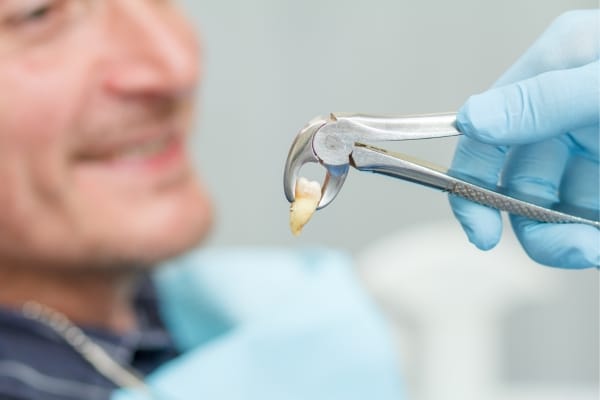
Tooth extraction is a common dental procedure that dentists recommend and perform when other restorative or cosmetic procedures fail to save a tooth. It helps to prevent the spread of infections. After the procedure, patients play a key role in ensuring proper aftercare. Among several other factors, diet is one of the most significant determinants of recovery. Following a proper diet after tooth extraction not only speeds up healing but also minimizes discomfort. Are you aware of the recommended diet chart after extraction? In this blog, you will learn about the recommended foods and those to avoid. Food restrictions don’t mean inadequate nutrition intake; there are alternative ways.
Why Diet Matters After Tooth Extraction?
Do you know how dentists remove a tooth? Tooth extraction in Frisco is generally a surgical procedure. After any oral surgery, it is essential to allow time for healing, and what you consume during this period is crucial. Consuming a variety of foods can interfere with the natural blood clotting process that occurs after surgery. Additionally, it can also delay healing and increase the risk of infections. Immediately after tooth extraction, focus on a soft diet with high nutritional value. Tissues generally regenerate at this phase; hard foods can damage them. Following a proper diet will reduce the risk of complications.
Best Foods To Eat In The First 24-48 Hours
The first 48 hours after your tooth extraction are very critical as the site remains highly sensitive. You should only consume soft or liquid foods that require minimal chewing. Additionally, they should not be extremely hot and should be properly cooled down before consumption. So what should you eat? Applesauce, smoothies, mashed potatoes, yogurt, ice cream, and smooth-textured soups are ideal dietary options. These foods are applied gently over the extraction site, reducing pain and swelling, and promoting overall healing.
Nutritious Foods To Aid Healing
After the first 48 hours, you can slowly introduce semisolid foods, which enhance tissue regrowth and boost immunity. Scrambled eggs can be a fantastic option, which falls under this category. It is easy to chew and high in nutrition. You can also try eating oatmeal. Soft fish, such as salmon, are also high in protein and omega-3 fatty acids, which dentists recommend. Additionally, a fruit like an avocado is easy to eat, yet it is rich in vitamins and healthy fats. Ensure you consume foods that are easy to eat and contain either Vitamin A or Vitamin C.
Foods to Strictly Avoid After Tooth Extraction
Certain foods can delay healing or cause complications. Chips, nuts, popcorn, and granola can get lodged in the socket and should be avoided. You should not have spicy foods after tooth extraction. Avoiding citrus fruits is generally advisable, as they can lead to unnecessary discomfort, including inflammation. Sticky foods, which require more chewing, can hamper proper blood clotting. High temperatures can disrupt clot formation; hence, avoid anything extremely hot.
Tips for a Smooth Dietary Transition
As your mouth begins to heal, you can gradually reintroduce more solid foods. While you start with semisolid foods, try to chew on the opposite side of the extraction site. Try to break down the food you consume into smaller, more manageable pieces. Drink as much water as possible, but avoid gulping it down, and take small sips. Take things slowly and wait until your dentist gives you the go-ahead to resume your regular diet. People generally get back to a normal diet within 8-10 days. The recovery and healing process may vary from one person to another, depending on individual dental conditions.
Post-Extraction Safe Diet Choices
Maintaining a soft, nutrient-rich diet after a tooth extraction is crucial for a quick and comfortable recovery. By knowing which foods to eat and which to avoid, you can reduce the risk of complications and support your body’s natural healing process. Following the above guideline shared in this blog will make your post-extraction recovery smooth. Always follow your dentist’s specific instructions, and listen to your body as you recover.