
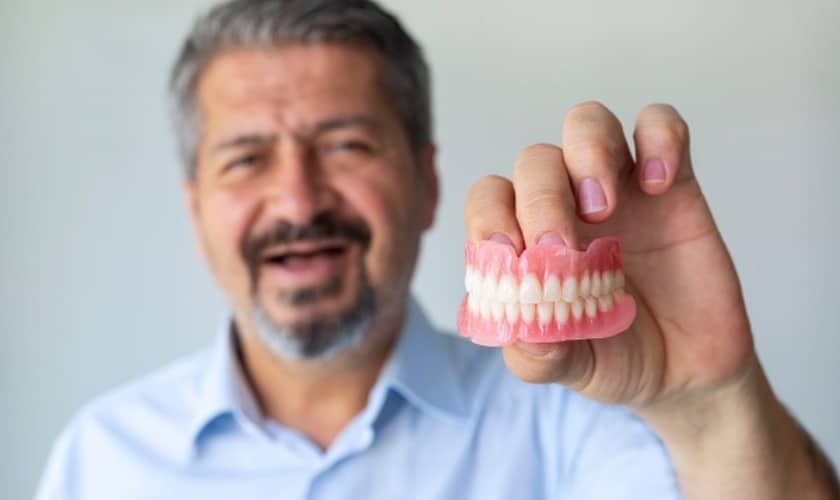
Considering dental dentures? You’re likely concerned about how they’ll impact your smile, but what about your overall facial appearance? While dentures are primarily used to replace missing teeth and restore chewing function, they can also play a significant role in shaping and supporting facial features.
In this section, we’ll delve into the connection between teeth, facial structure, and how dentures can influence your appearance.
Contents
- How Do Teeth Support Facial Structure?
- Can Dentures Improve Facial Appearence?
How Do Teeth Support Facial Structure?
Our teeth are more than just pearly whites for chewing! They play a crucial role in providing structure and support to the face. The roots of our teeth are anchored within the jawbone, and this connection stimulates bone growth and maintains its density.
Here’s how teeth contribute to facial support:
- Jawbone health: Chewing forces transmitted through the teeth stimulate the jawbone, keeping it strong and dense.
- Facial scaffolding: The teeth act like a scaffold, holding facial tissues like lips and cheeks in their proper positions.
- Muscle tone: The presence of teeth helps maintain the tone and definition of facial muscles.
What Happens to Your Face When You Lose Teeth?
Unfortunately, losing teeth, especially multiple teeth or a full arch, can trigger a series of changes in your facial structure. Here’s what you might experience:
-
Bone Loss and Shrinking Jaw:
When teeth are missing, the jawbone no longer receives the stimulation it needs to maintain its density. This leads to bone resorption, where the bone gradually shrinks and weakens. This shrinkage can cause the jawbone to appear smaller, contributing to a sunken facial appearance.
-
Sagging Facial Muscles and Skin:
With the loss of teeth and the supporting jawbone, the facial muscles and overlying skin lose their natural anchors. This can lead to sagging in the cheeks, jowls, and around the mouth area, creating a more aged appearance.
-
Changes in Lips and Cheeks:
Without teeth supporting them from within, the lips may become thinner and lose their natural fullness. Similarly, the cheeks may lose volume and appear sunken. This can significantly alter your facial profile.
Can Dentures Improve Facial Appearence?
The good news is that dentures, when properly designed and fitted, can actually help counteract some of the facial changes associated with tooth loss.
Positive Impacts of Well-Fitted Dentures on Your Face
Dental Dentures, unlike natural teeth, don’t have roots embedded in the jawbone. However, well-made and well-fitted dentures can still provide significant benefits for your facial appearance. Here’s how:
Restoring Facial Support and Structure
A properly crafted denture fills the space left by missing teeth and rests snugly against the gums. This can help restore some of the lost facial support. The denture base acts as a barrier, preventing further bone resorption in some cases. This can help maintain a more youthful and defined jawline.
Plumper Lips and Fuller Cheeks
Dentures are designed to recreate the natural size and shape of your teeth. When placed correctly, they can fill out the contours of your face and support the lips and cheeks from within. This can make your lips appear fuller and your cheeks plumper, reducing the sunken appearance caused by tooth loss.
Reduced Wrinkles Around the Mouth
The loss of facial support due to missing teeth can contribute to the formation of wrinkles around the mouth. Well-fitting dentures can help alleviate this issue by providing support to the underlying tissues and reducing the sagging that causes wrinkles.
Enhanced Smile and Confidence
Dentures not only improve facial appearance but also restore your ability to smile confidently. A complete and natural-looking smile can significantly boost your self-esteem and overall well-being. This positive impact on your confidence can radiate outwards, making you appear more youthful and vibrant.
By addressing these concerns, well-fitted dentures can play a significant role in maintaining a youthful and healthy facial appearance. In the next section, we’ll explore the flip side and discuss the potential negative impacts of poorly fitted dentures.
Potential Negative Impacts of Poorly-Fitted Dentures
While dental dentures offer numerous advantages, neglecting proper fit and care can lead to a number of drawbacks that can negatively impact your facial appearance and overall well-being. Here’s why a good fit is crucial:
Increased Bone Loss and Facial Collapse
Ill-fitting dentures that don’t provide adequate support can accelerate bone loss in the jaw. This is because they put uneven pressure on the gums, leading to further bone resorption. Over time, this can worsen the sunken appearance around the mouth and contribute to a more collapsed facial structure.
Speech and Eating Difficulties
Loose or ill-fitting dentures can slip and slide while talking or eating. This can lead to slurred speech, difficulty chewing, and even embarrassment in social situations.
Soreness, Discomfort, and Infection
Poorly fitting dentures can rub against the gums and irritate the tissues, causing soreness, discomfort, and even ulcers. These problems can make it difficult to wear your dentures for extended periods, further accelerating bone loss and negatively impacting facial structure.
Sunken Appearance Around the Mouth
As mentioned earlier, loose dentures don’t provide proper support to the lips and cheeks. This can lead to a sunken appearance around the mouth, making wrinkles more prominent and creating a prematurely aged look.
In conclusion, opting for poorly fitted dentures can be counterproductive. They can worsen existing problems and accelerate the very facial changes you’re hoping to avoid. In the next section, we’ll discuss how to choose the right type of dentures to minimize these negative impacts and achieve the best possible outcome for your facial appearance.
Choosing the Right Dentures to Minimize Facial Changes
Now that you understand the impact dentures can have on your facial appearance, both positive and negative, let’s delve into choosing the right dentures to minimize negative changes and maximize the benefits.
Types of Dentures (Full vs. Partial)
There are two main types of dentures:
- Full dentures: These replace all teeth in either the upper or lower jaw, or both. They are ideal for individuals with complete tooth loss in an arch.
- Partial dentures: These are used when some natural teeth remain. They fill in the gaps left by missing teeth and clasp onto the remaining healthy teeth for support.
When considering facial appearance, full dentures can offer more support and structure for the face compared to partials. However, the best option for you will depend on the extent of tooth loss and your dentist’s evaluation.
Importance of a Proper Consultation and Fitting
A crucial factor in minimizing facial changes with dentures is ensuring proper consultation and fitting with a qualified dentist in Frisco or a prosthodontist (a dentist specializing in dentures and implants). During the consultation, your Frisco dentist will:
- Assess your jawbone health and remaining teeth (if any).
- Take impressions of your mouth to create a custom-made denture.
- Discuss your expectations and desired outcome for facial appearance.
A well-fitting denture is essential for optimal comfort, function, and facial support. Don’t hesitate to voice any concerns you have about the fit or aesthetics of your dentures during the consultation process.
Considering Implant-Supported Dentures
For some individuals, traditional dentures may not provide the desired level of facial support and stability. In such cases, implant-supported dentures might be a good option. These dentures use dental implants surgically placed in the jawbone to anchor the denture in place.
Implant-supported dentures offer several advantages:
- Improved facial support: Implants stimulate the jawbone and prevent bone resorption, maintaining a more youthful facial structure.
- Enhanced stability and chewing function: Implants provide a secure anchor for the denture, eliminating slipping and improving chewing ability.
- Increased confidence: The secure fit and improved chewing function can significantly boost your confidence when eating and speaking in public.
While implant-supported dentures typically involve a higher initial cost, they can be a worthwhile investment for long-term facial support and overall denture satisfaction.
Maintaining Your Dentures and Facial Appearance
Just like your natural teeth, dentures require proper care and maintenance to function optimally and preserve their positive impact on your facial appearance. Here are some key practices to follow:
Regular Dental Checkups and Relines
Schedule regular dental checkups with your dentist in Frisco, TX, even with dentures. These appointments allow your Frisco dentist to:
- Monitor your oral health and jawbone health.
- Check the fit of your dentures and make adjustments as needed.
- Reassess the need for a reline.
Relines are necessary because your gums and jawbone naturally change over time. A properly fitting denture is crucial for maintaining facial support and preventing bone resorption.
Proper Denture Care and Cleaning Routine
- Daily brushing: Brush your dentures daily with a soft-bristled toothbrush and a non-abrasive denture cleanser. This removes food particles and plaque buildup that can irritate your gums and contribute to bad breath.
- Soaking: Soak your dentures overnight in a denture cleaning solution recommended by your dentist in Frisco. This helps remove stubborn stains and kill bacteria.
- Handling with care: Always handle your dentures with care to avoid dropping or breaking them. Rinse them thoroughly before and after inserting them.
Maintaining Healthy Gums and Bone (if applicable)
If you have any remaining natural teeth, it’s crucial to maintain good oral hygiene by brushing and flossing regularly. This prevents gum disease and tooth decay, which can further complicate denture use and potentially impact facial structure.
For implant-supported dentures, maintaining healthy gums around the implants is vital for their long-term success. Your dentist will provide specific instructions on caring for your implants and surrounding tissues.
Addressing Concerns with Your Dentist
Don’t hesitate to reach out to your dentist if you experience any discomfort soreness, or have concerns about the fit or appearance of your dentures. Early intervention can prevent problems from worsening and ensure your dentures continue to support your facial structure effectively.
By following these maintenance practices, you can extend the lifespan of your dentures, ensure optimal comfort and function, and maintain the positive impact they have on your facial appearance.
In the next section, we’ll address some additional considerations and frequently asked questions about dentures and facial changes.
Conclusion: Dentures and a Youthful Look
Throughout this guide, we’ve explored the intricate relationship between dentures and facial appearance. Here’s a quick recap:
- Dentures can have a significant impact on your facial structure, both positively and negatively. Well-fitted dentures can restore facial support, enhance smile aesthetics, and even reduce wrinkles around the mouth. Conversely, poorly fitted dentures can accelerate bone loss and worsen facial collapse.
- Choosing the right dentures is crucial. Proper consultation and fitting with a qualified dentist is essential for achieving optimal comfort, function, and facial support. Consider implant-supported dentures if traditional dentures don’t offer the desired level of stability.
Maintaining your dentures is key to preserving their benefits. Regular dental checkups, proper cleaning routines, and addressing any concerns with your Frisco dentist are vital for long-term success.