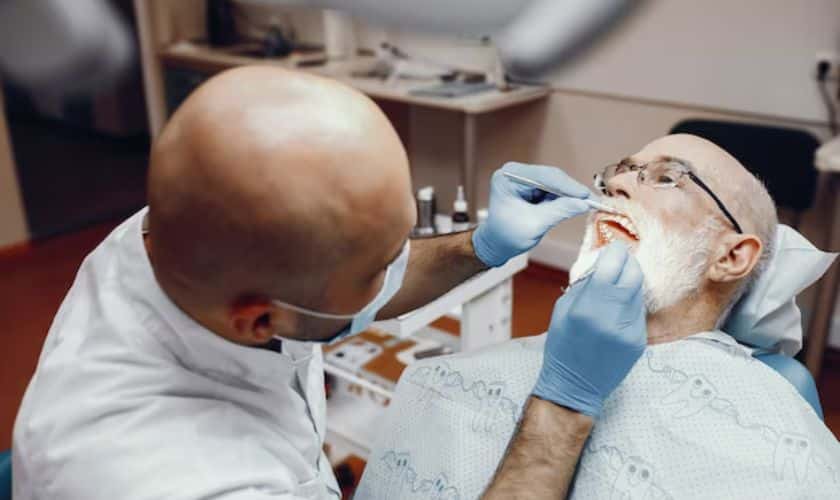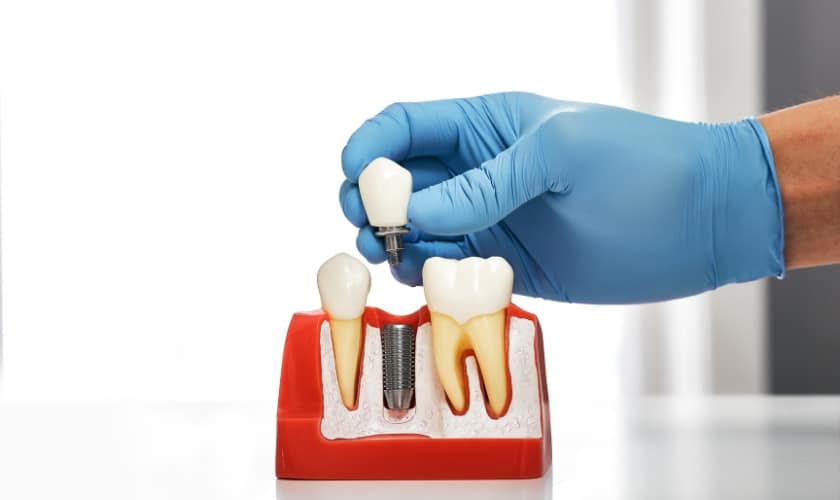

Dental implant surgery is a life-changing procedure that can restore your smile and boost your confidence. However, to achieve the best results, it’s essential to take care of yourself during the recovery phase. Your diet plays a major role in the healing process, and eating the wrong foods could slow recovery or even cause complications. In this guide, we’ll go over foods to avoid after dental implant surgery and share some tips to help your healing journey.
Contents
Why Does Your Diet Matter After Dental Implant Surgery?
After surgery, your mouth needs time to heal. Eating the right foods not only speeds up recovery but also reduces the risk of infection and pain. Soft, nutrient-rich foods are your best option, but certain foods can cause harm, either by irritating the surgical site or by damaging the implant before it has a chance to heal fully.
Let’s dive into the foods to avoid after dental implant surgery to ensure your recovery goes smoothly.
Foods to Avoid Right After Surgery
1. Hard and Crunchy Foods
After dental implant surgery, your gums and jaw are sensitive, and hard or crunchy foods can cause discomfort and damage to the surgical site. Avoid:
- Chips
- Nuts
- Popcorn
- Raw vegetables (like carrots)
Crunchy foods can put pressure on the implant, delaying healing and increasing the chance of complications.
2. Sticky Foods
Sticky foods can adhere to the surgical area, potentially pulling on the stitches or disrupting the implant. Some common sticky foods to avoid include:
- Chewy candies (like taffy or gummies)
- Dried fruits (raisins, dates)
- Caramel
These foods can also increase the risk of infection if they stick to the gum line and are difficult to clean.
3. Hot and Spicy Foods
While it might be tempting to indulge in your favorite spicy dishes, it’s best to steer clear of them after dental implant surgery. Spicy foods can irritate your gums, causing discomfort and inflammation. Additionally, hot foods can increase swelling and bleeding. Some examples to avoid include:
- Hot peppers
- Salsa
- Spicy soups
- Hot sauces
Allow your gums to heal without added irritation by sticking to milder flavors.
Stay Away From Foods That Require Excessive Chewing
4. Tough Meats and Chewy Foods
Tough meats, such as steak or beef jerky, can strain your jaw, causing discomfort and potentially slowing your recovery. Foods that require excessive chewing can also dislodge the implant. To avoid unnecessary strain, steer clear of:
- Steak
- Pork chops
- Bagels
- Hard bread or baguettes
Opt for soft proteins like shredded chicken, fish, or tofu during your recovery period.
5. Acidic Foods and Drinks
Acidic foods and drinks can irritate your sensitive gums and increase the risk of infection. After dental implant surgery, avoid:
- Citrus fruits (oranges, lemons)
- Tomatoes and tomato-based sauces
- Vinegar-based dressings
- Carbonated drinks
Drinks like orange juice and soda can also slow down the healing process and weaken the bonding between the implant and the bone.
Better Alternatives to Support Healing
6. Soft Foods and Nutrient-Rich Options
While avoiding harmful foods is important, it’s equally crucial to include healing-promoting foods. Focus on nutrient-rich, soft foods that are easy to chew and won’t harm your implant. Some safe and healthy options include:
- Mashed potatoes
- Yogurt
- Scrambled eggs
- Smoothies (without seeds)
- Applesauce
- Oatmeal
These foods are gentle on your gums and provide the necessary vitamins and minerals to support recovery.
Tips for a Faster Recovery
In addition to avoiding certain foods, follow these tips for a faster recovery after dental implant surgery:
- Stay Hydrated: Drink plenty of water to keep your mouth clean and hydrated. Avoid using straws, as the sucking motion can dislodge blood clots and delay healing.
- Maintain Oral Hygiene: Be gentle when brushing around the implant site, and use a soft-bristled toothbrush to avoid irritating the area.
- Rest and Avoid Strenuous Activity: Giving your body time to heal is just as important as watching what you eat. Avoid heavy lifting or physical exertion in the days following surgery.
- Follow Your Dentist’s Instructions: For the best outcome, always follow the post-operative care advice provided by your dentist.
By making the right choices in your diet and care routine, you’ll enhance your healing and set the foundation for successful dental implants.
Long-Term Care After Dental Implants
Once your initial healing phase is over, maintaining your dental implants in Frisco will involve proper long-term care. This includes regular checkups and sticking to a balanced diet that supports your overall dental health. While your diet can become more varied over time, some precautions will continue to help ensure the longevity of your implants.
Foods to Avoid in the Long Run
Even after the initial recovery, it’s smart to be cautious about certain foods. While you can slowly reintroduce more textures into your diet, avoid excessively hard or sticky items that could compromise the stability of your dental implants. Maintaining a balance between indulging and protecting your dental health will keep your smile strong.
Healing with Dental Implants
To achieve the best results from your dental implants, remember to avoid harmful foods and focus on soft, nutrient-rich alternatives. Following these simple dietary guidelines will ensure that your implants heal properly and last for years to come. By making mindful choices, you can enjoy your new smile and stay on the path to full recovery.
If you’re considering dental implants in Frisco, ensure you follow these tips for a smooth recovery and long-lasting success.