
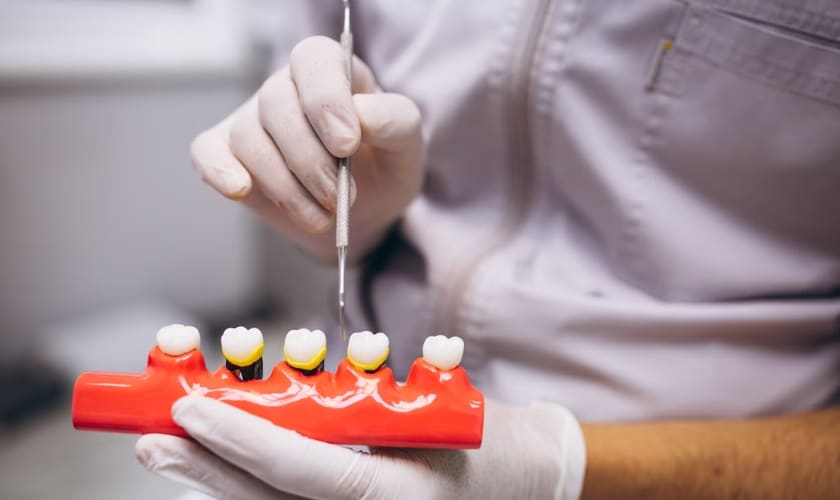
Dental crowns, often referred to as “caps,” are tooth-shaped restorations that cover and protect damaged or weakened teeth. They are a crucial part of dental care, restoring functionality and aesthetics. During the crown placement process, a strong dental cement bonds the crown to the underlying tooth structure.
While highly effective, this cement can occasionally leave a noticeable residue around the crown’s edges. This excess cement, though harmless, might raise aesthetic concerns or cause slight discomfort. It’s natural to wonder if you can safely remove this excess cement yourself.
Contents
Important Disclaimer: Consult Your Dentist First
Before attempting any at-home removal, it’s crucial to understand that:
- Improper removal methods can damage the crown, tooth, or surrounding gum tissue.
- Dental cement removal might require specific tools and techniques best handled by a dentist in Frisco.
Therefore, consulting your Frisco dentist is always the safest and most recommended course of action. They can assess the situation, determine the best removal approach, and ensure the process is performed safely and effectively.
When Should You See a Dentist?
While some minor excess cement might be addressed at home with caution, seek professional help in the following situations:
- A significant amount of excess cement: If the cement protrudes noticeably or causes discomfort, a dentist near you can remove it safely and efficiently.
- Sensitivity or gum irritation: Excess cement can irritate the gum tissue, causing discomfort or inflammation. In such cases, a dentist can remove the cement and address any underlying issues.
- Difficulty removing the cement: If you’re unable to remove the cement gently with the methods mentioned below, seeking professional help is crucial to avoid damaging the crown or tooth.
Safe At-Home Removal Techniques (Use with Caution)
If, after consulting your nearby dentist and receiving their approval, you decide to attempt at-home removal, proceed with extreme caution and only if the excess cement is minimal. Here are some possible methods:
- Flossing: Gently slide floss between the crown and the adjacent tooth, using a sawing motion to dislodge any loose cement particles. Be very gentle and avoid forcing the floss.
- Soft-bristled toothbrush: Use a soft-bristled toothbrush and toothpaste to gently brush the area around the crown. This might dislodge minor cement residue.
- Warm water: Soak a cotton swab in warm water and dab the area around the crown. This can help soften the cement, making it easier to remove with gentle brushing.
Remember:
- Always be extremely gentle. Avoid any forceful scraping or picking, as it can damage the crown or tooth surface.
- Stop if you experience any discomfort or bleeding.
- These methods are only suitable for minimal excess cement. If the cement is significant or you’re unsure, consult your Frisco dentist.
Maintaining Optimal Oral Health with Dental Crowns
Dental crowns are a valuable investment in your oral health. Here are some tips for maintaining your crowns and ensuring long-lasting success:
- Practice good oral hygiene: Brush twice daily and floss once a day to remove plaque and prevent gum disease.
- Schedule regular dental checkups and cleanings: Your dentist can monitor your crown and ensure it remains healthy and functioning properly.
- Avoid using your teeth for tasks other than chewing food: Don’t use your teeth to crack nuts, open bottles, or bite on hard objects, as this can damage the crown.
- Inform your dentist of any concerns: If you experience any sensitivity, chipping, or other issues with your crown, contact your dentist in Frisco promptly.
By following these tips and seeking professional help when needed, you can maintain your dental crowns and enjoy a healthy, beautiful smile for years to come.
Frequently Asked Questions
Can I remove dental cement at home safely?
It is strongly recommended against attempting to remove dental cement yourself. Dental cement is a strong adhesive designed to permanently fix the crown, and improper removal methods can damage the crown, surrounding teeth, or gum tissue.
What are the risks of trying to remove dental cement myself?
Trying to remove dental cement yourself can lead to several risks, including:
- Scratching or damaging the crown: This can weaken the crown and increase the risk of future problems.
- Damaging the tooth underneath the crown: This can expose the tooth to bacteria and increase the risk of decay.
- Injuring the gum tissue: This can cause pain, and bleeding, and increase the risk of infection.
When should I see a dentist about removing dental cement?
If you notice any excess cement around your crown, or if you have any concerns about the crown itself, it is important to schedule an appointment with your dentist in Frisco. They have the training and experience to safely and effectively remove the cement without damaging your teeth or gums.
