The way your teeth come together matters to a far broader area of your life than simply your appearance. A mild/moderate overbite can affect your bite, speech, and even your jaw at the end of a long day. Bite problems have often plagued people for years because they believe solutions exist solely for cosmetic reasons.
Nowadays, invisible aligners have revolutionized bite correction in dental and orthodontic practice. Invisalign is not all about straight teeth anymore. Here is a detailed piece on how Invisalign assists with mild to moderate overbites, procedures involved in this treatment, and a comparative analysis with other methods.
Contents
What Exactly is a Mild or Moderate Overbite?
An overbite can be considered when the upper front teeth overlap the lower front teeth. In both mild and moderate overbites, the overlap can appear minimal, but it can pose various problems. Some patients have observed uneven tooth wear, jaw pain during daily activities, or jaw pain after eating.
If left alone, an overbite can put pressure on teeth and jaw joints. Dentists and orthodontists will assess bite balance, teeth positioning, and jaw function before considering treatment. Primarily, they focus on function rather than aesthetics.
How Invisalign Can Help Correct an Overbite?
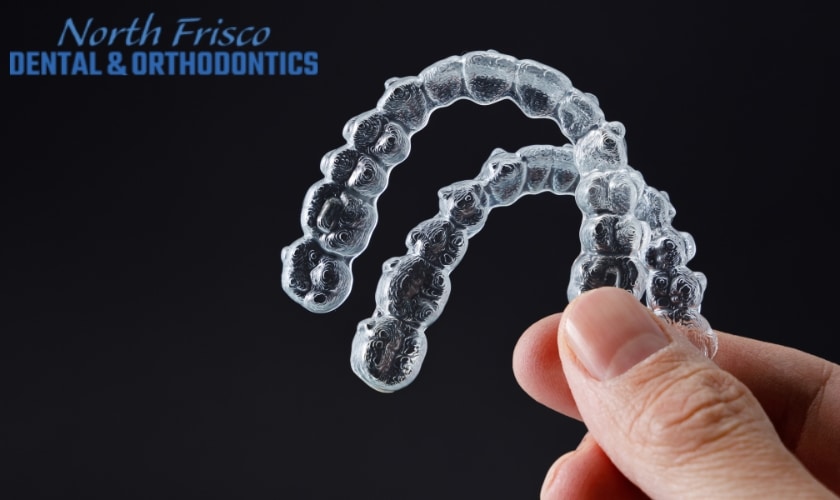
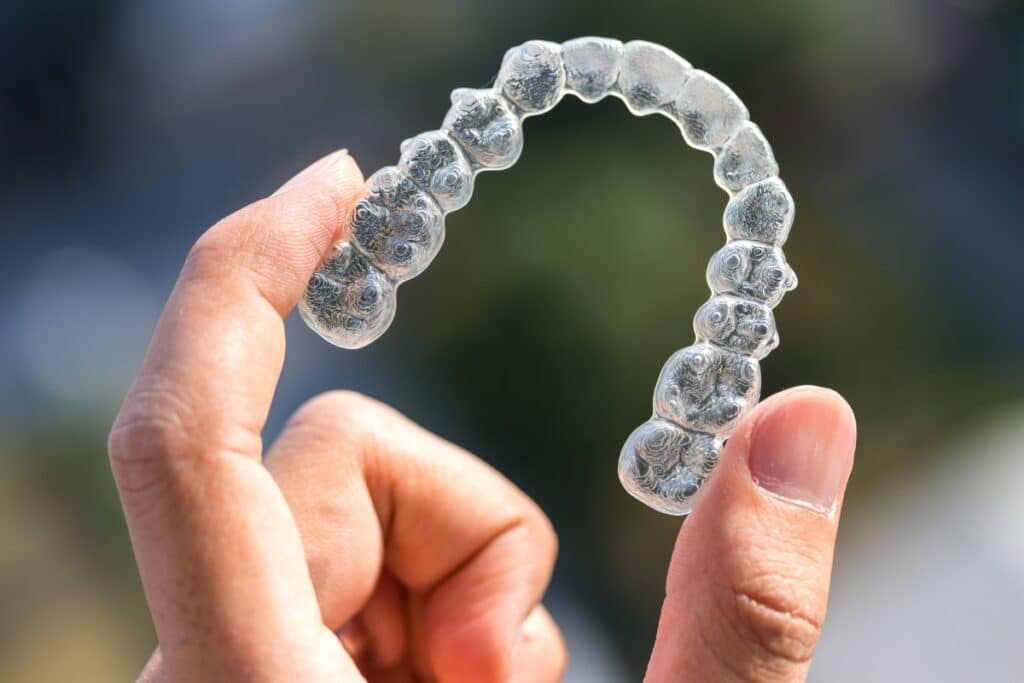
Patients with bite issues that require correction but do not want braces can benefit from Invisalign in Frisco, TX. Patients under Invisalign treatment wear a series of transparent dental aligners to nudge their teeth into better positions. Every set is calculated to make a slight, controlled movement towards a more favorable bite. For people with mild to moderate overbites, this treatment option is very effective.
Aligners work by adjusting the position of the upper and lower teeth to reduce overlap. An additional benefit is that they can be removed when eating.
Invisalign Vs Braces For Overbite Correction
While contrasting Invisalign with braces, both methods can fix overbites. Braces consist of fixed braces and wires, whereas aligners function through controlled pressure exerted by removable aligners. In mild to moderate situations, Invisalign can achieve control.
One reason people prefer aligners is that they can fit into their lifestyle. With aligners, you do not have to worry about food restrictions and tightening in the wires.
Daily Life with Invisalign
Consistency matters! Consistently wearing braces will allow teeth to move as planned. Dentists or orthodontists will tell patients to wear braces consistently to achieve a better bite.
With Invisalign, people with busy lives can easily incorporate it into their daily activities with minimal interruptions. They can be removed when eating dinner, going to work out, or doing other activities.
This is important in situations where people have work, need to drop off children at school, and/or spend time on local playing fields or practice centers in the evening.
A Step Towards a Better Bite Balance
Correcting an overbite involves not only aesthetic considerations but is also essential for enhanced comfort, proper tooth wear, and functional convenience. Invisalign offers an ideal treatment solution for patients eager to achieve their goals without being significantly disrupted in their personal lives.
Searching for Invisalign in your area? At North Frisco Dental & Orthodontics, our goal is to understand your bite and work with you to achieve your correction goals with clarity. Are you ready to see if Invisalign is a good fit for your overbite? Contact our office to schedule a consultation and take one step closer to a well-balanced smile.
FAQs
- Can Invisalign fix a mild overbite?
Yes. Invisalign can correct mild overbites by gradually guiding teeth into better alignment. A dentist or orthodontist confirms suitability through an exam. - Is Invisalign effective for moderate overbites?
Yes, in many cases, moderate overbites can be improved with Invisalign when the treatment plan is carefully designed and consistently followed. - How long does overbite correction usually take?
Treatment time varies based on bite severity and wear habits. Many mild-to-moderate cases improve with a planned series of aligners. - Does Invisalign change how teeth come together?
Yes. Aligners are designed to improve the way the upper and lower teeth meet. This helps reduce strain and uneven wear. - Who decides if Invisalign is right for my bite?
A dentist or orthodontist evaluates your bite, tooth position, and jaw movement. They determine whether aligners can safely meet your needs.