
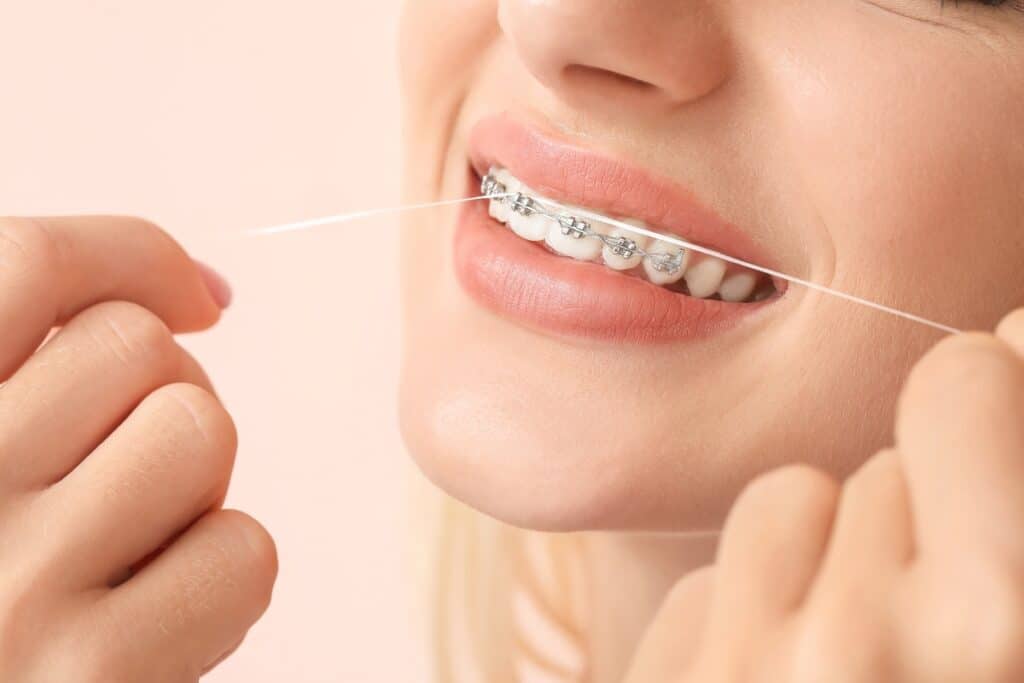
Flossing is an essential part of maintaining good oral hygiene, as it helps remove plaque, food particles, and bacteria that brushing alone may miss. However, for people with braces—especially children—flossing can be a frustrating task. The brackets and wires that are crucial for straightening teeth also create obstacles that make traditional flossing more challenging.
Despite the difficulties, maintaining good dental hygiene is especially important for people with braces, as the wires and brackets can easily trap food, increasing the risk of plaque buildup, cavities, and gum disease. But don’t worry! There are several tricks to make flossing with braces easier, and this guide will walk you through them.
Contents
Why Flossing Is Critical for People with Braces
Braces work by gradually shifting teeth into their correct position, but they also create more areas for bacteria and food particles to hide. While brushing helps, it often cannot be cleaned between the teeth and under the gums, where plaque and tartar build up. This is why flossing is essential—it reaches those tricky spots between the teeth and under the wire, removing debris and preventing cavities or gum disease. Regular flossing can make a big difference in overall oral health and ensure that once the braces are removed, you’re left with not only straight teeth but also healthy gums and enamel.
Challenges of Flossing with Braces
Traditional flossing involves sliding a piece of dental floss between the teeth, working it up to the gum line, and then pulling it out. When you have braces, the orthodontic wire runs across your teeth, making it impossible to floss the way you normally would. The wire creates a barrier that needs to be navigated carefully to clean effectively without damaging the braces. Children, in particular, can find this tedious and frustrating, which is why using specific techniques and tools can make flossing more manageable.
Tricks to Make Flossing with Braces Easier
To make the process simpler, here are three tricks to make flossing with braces easier for kids and adults alike:
1. Use an Orthodontic Floss Threader
One of the most effective ways to make flossing with braces easier is by using an orthodontic floss threader. This small, inexpensive tool resembles a needle, and it helps thread the floss between the wire and the teeth, allowing you to clean more effectively.
- How It Works: First, pull a piece of floss through the loop of the floss threader. Then, gently guide the threader under the orthodontic wire and between two teeth. Once the floss is in place, you can floss as usual, making sure to clean up into the gumline on each side of the tooth.
- Why It’s Effective: The floss threader works like a guide, helping you maneuver around the braces with minimal hassle. It’s a quick, effective way to ensure that your child or you can access areas of the mouth that might otherwise be skipped during daily oral care.
2. Help Younger Children Floss
While older children and teens may be able to manage flossing with braces on their own, younger children often need assistance. Braces can make flossing time-consuming, and younger kids may lack the dexterity to do it properly.
- How to Help: Find a comfortable, well-lit area where you can assist your child in flossing. Have them sit or kneel, and make sure you have a good view of their mouth. You might also want to create a relaxed environment by letting them watch TV or listen to music. This can help them stay still during the process. Use a floss threader and guide them through the flossing process, ensuring you reach the gumline on both sides of each tooth.
- Why It’s Important: By helping younger children floss, you can ensure they’re developing good habits early and that their teeth and gums stay healthy throughout their orthodontic treatment.
3. Choose Waxed Floss
When it comes to flossing with braces, not all floss is created equal. Unwaxed floss tends to catch on the brackets and wires, leaving behind shreds that can be difficult to remove. Instead, opt for waxed floss, which is coated to allow for a smoother glide between the teeth and wires.
- How to Use It: Using waxed floss with a floss threader is the best approach for people with braces. After threading the floss through, gently slide it up and down between the teeth and under the wire. Be sure to floss both sides of each tooth to get a thorough clean.
- Why Waxed Floss is Better: Waxed floss doesn’t get caught as easily in the braces, making the process quicker and more efficient. This will help you or your child stick to a daily flossing routine without added frustration.
Additional Tips for Easier Flossing with Braces
- Consider Water Flossers: A water flosser can be an excellent alternative to traditional flossing for people with braces. It uses a stream of water to remove food particles and plaque from between the teeth and along the gumline.
- Floss Before Brushing: Flossing first can help remove debris and make brushing more effective.
- Be Consistent: Make sure flossing becomes a daily habit, especially with braces, to prevent plaque buildup and other oral issues.
Flossing with braces doesn’t have to be a daunting task. By using the right tools and techniques, such as floss threaders, waxed floss, and parental assistance for younger children, you can make the process much easier and more effective. Braces are a long-term investment in a healthier, straighter smile, but maintaining good oral hygiene during treatment is crucial to avoid complications.
For anyone struggling with braces, these tricks to make flossing with braces easier will help you or your child keep their teeth and gums healthy throughout the orthodontic journey. Stick to these routines, and you’ll see the benefits when the braces come off.