10475 Preston Rd, #200, Frisco, TX 75033


Life with Braces: Real-life experiences and tips for adjusting
Book Online
Life With Braces: Real-Life Experiences And Tips For Adjusting
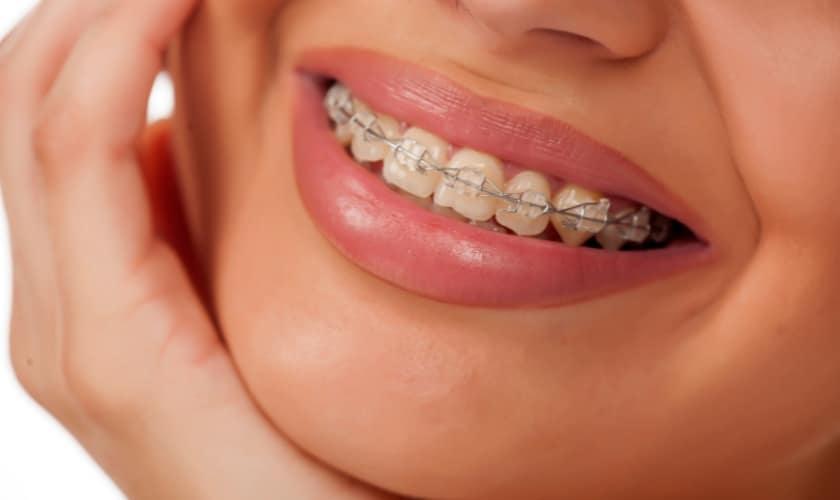
Braces are orthodontic appliances used to correct dental alignment and bite issues. They consist of brackets, wires, and other components that gradually shift teeth into their desired positions. While the primary goal of it is to improve oral health and create a beautiful smile, adjusting to life with it can be a significant transition. Wearing it requires adaptation and patience as you navigate through various aspects of daily life. There are several factors to consider, from eating to speaking, maintaining oral hygiene to managing discomfort, and even addressing social concerns. However, it’s important to remember that this journey is temporary and will ultimately lead to long-lasting positive outcomes.
Eating With Braces:
- Types of food to avoid: Sticky, hard, or chewy foods can damage your braces. Avoid popcorn, gum, nuts, and hard candies.
- Recommended diet and meal ideas: Soft and easy-to-chew foods like mashed potatoes, yogurt, soup, and pasta are braces-friendly. Incorporate a balanced diet with fruits, vegetables, and proteins.
- Tips for chewing and preventing discomfort: Cut food into small pieces, chew slowly and evenly, and use your back teeth. Avoid biting directly into apples and carrots. Over-the-counter pain relievers can help manage discomfort initially.
Speaking With Braces:
- Common speech difficulties experienced with braces: Initially, you may experience a lisp or difficulty pronouncing certain sounds due to the presence of braces.
- Exercises to improve pronunciation and clarity: Practice reading aloud, repeating challenging words, and working on tongue and jaw exercises.
- Advice for gaining confidence while speaking: These speech changes are temporary. Practice speaking with friends, and family, or in front of a mirror to build confidence.
Oral Hygiene:
- Importance of proper oral hygiene during orthodontic treatment: Good oral hygiene is crucial to prevent tooth decay, gum disease, and staining.
- Brushing and flossing techniques for braces: Use a soft-bristle brush and fluoride toothpaste. Angle your brush towards the brackets, clean around wires, and brush every surface of your teeth—floss using a floss threader or interdental brushes.
- Using special tools like interdental brushes and floss threaders: Interdental brushes help clean between braces, making flossing easier. Your orthodontist can provide recommendations.
Dealing With Discomfort
- Common discomforts associated with braces: Soreness, pressure, and occasional mouth ulcers are common. Adjustments may cause temporary discomfort as well.
- Remedies and tips for relieving pain and soreness: Rinse your mouth with warm saltwater, apply orthodontic wax on irritating braces, and eat soft foods until the discomfort subsides.
- How to handle emergencies or broken brackets/wires: Contact your orthodontist immediately. Use orthodontic wax to secure loose wires or brackets temporarily.
Maintaining Orthodontic Appointments:
- The significance of regular check-ups and adjustments: Consistent appointments are essential for tracking progress and making necessary adjustments.
- How to manage appointments and maintain good communication with the orthodontist: Maintain a calendar and schedule appointment reminders. Communicate any concerns or questions promptly.
- The role of compliance in achieving desired results: Following an orthodontic treatment plan, wearing rubber bands as prescribed, and adhering to oral hygiene routines will contribute to successful outcomes.
Social Life And Braces:
- Addressing common concerns about appearance and self-confidence: Remember that braces are temporary and lead to long-term benefits. Focus on the result.
- Tips for navigating social situations with braces: Be open about your journey, embrace your braces, and remember that most people are supportive and understanding.
- Encouragement and reminders that braces are temporary: This is a short-term investment in your long-term oral
Conclusion
Adjusting to life with braces can be challenging, but it can be successful with the right mindset and information. To avoid discomfort, choose a balanced diet with soft, easy-to-chew options—practice reading aloud, repeating challenging words, and tongue and jaw exercises to improve pronunciation. Maintain proper oral hygiene to prevent tooth decay and gum disease. Avoid discomfort with salt water rinses, orthodontic wax, and soft foods. Regular check-ups and adjustments are crucial for monitoring progress. Focus on the long-term benefits of a beautiful smile and be open about your journey. Remember, you’re not alone and can enjoy the transformation that comes with wearing braces.