10475 Preston Rd, #200, Frisco, TX 75033


The Benefits Of Dental Implants: A Comprehensive Guide
Book Online
Keeping good oral health is essential for overall health. Dental implants provide a dependable and effective alternative for those lacking teeth. This comprehensive guide will provide valuable insights into the benefits of dental dentures, the types available, the implant procedure, candidacy criteria, potential risks, and post-operative care.
What Are Dental Implants?
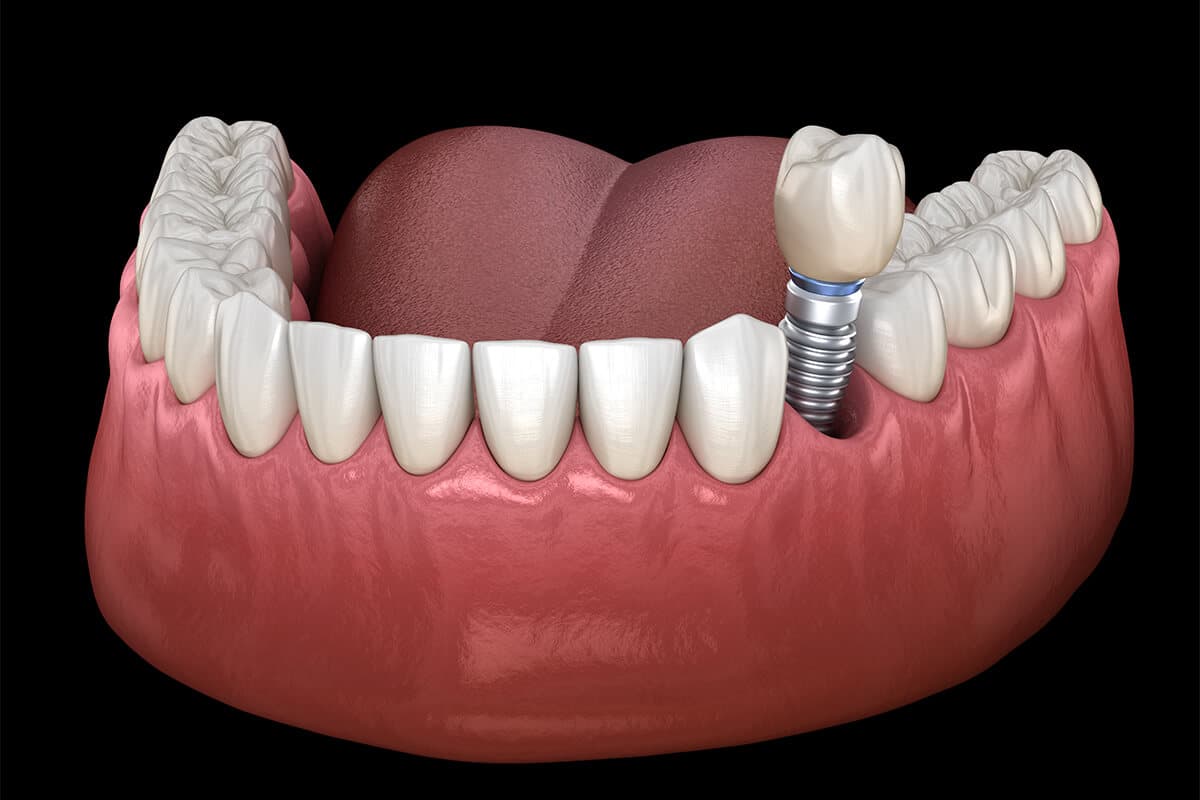
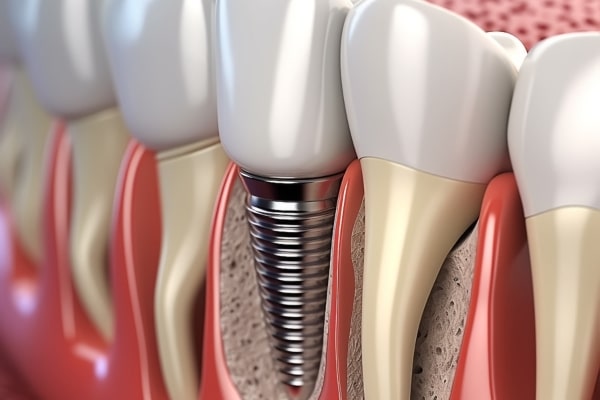
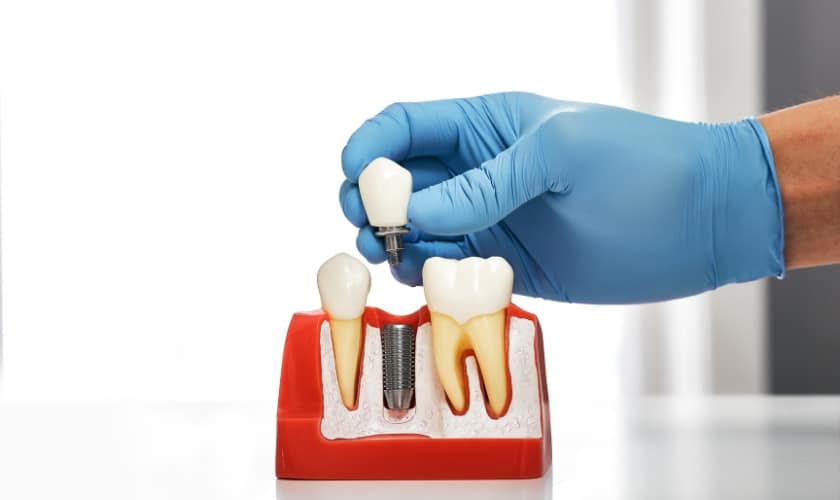
Dental implants are artificial tooth roots that serve as a foundation for replacement teeth. They are usually composed of biocompatible materials like titanium and surgically placed into the jawbone. These implants provide a stable base for attaching dental crowns, bridges, or dentures.
Advantages Of Dental Implants:
- Improved Appearance and Self-esteem:
Dental implants not only fill the gaps left by missing teeth but also restore a natural-looking smile. This enhances self-esteem and confidence.
- Enhanced Oral Health and Functionality:
Dental dentures function like natural teeth, allowing for easier chewing and speaking. They also improve oral hygiene by preventing bone loss and maintaining adjacent teeth’s integrity.
- Long-lasting and Durable Solution:
With proper care, dental dentures can last a lifetime. They do not need to be replaced as frequently as other tooth replacement solutions.
- Preservation of Facial Structure:
This process helps preserve facial structure by preventing bone loss from missing teeth. They maintain the shape of the face, preventing a sunken appearance.
- Restored Ability to Eat and Speak Comfortably:
Dental dentures provide stability and strength, allowing individuals to bite and chew foods without discomfort. They also improve speech clarity.
Types Of Dental Implants:
- Endosteal Implants:
These are the most frequently used dental procedures. They are surgically implanted into the jawbone and provide a sturdy basis for false teeth.
- Subperiosteal Implants:
Suitable for individuals with insufficient bone height, subperiosteal implants are placed underneath the gum but above the jawbone. They are less invasive than endosteal implants.
- All-on-4 Implants:
This technique involves placing four dental dentures strategically to hold a complete arch of teeth. It provides a fixed and efficient solution for those with extensive tooth loss.
The Dental Implant Procedure:
- Initial Consultation and Evaluation:
To analyze oral health and establish appropriateness for implant dentistry, a thorough examination is performed, including X-rays and impressions.
- Dental Implant Placement Surgery:
Implant dentistry is surgically placed into the jawbone under local anesthesia, and after several months of healing, the implant fuses with the surrounding bone.
- Osseointegration and Healing Process:
During this phase, the implant gradually integrates with the jawbone, ensuring stability and strength.
- Placement of Abutment and Restoration
After osseointegration, an abutment connects the implant to the replacement tooth, and a custom-made dental crown, bridge, or denture is then placed to restore functionality and aesthetics.
Candidacy For Dental Implants:
Several factors determine eligibility for dental dentures, including:
- Jawbone density and volume are sufficient.
- Good overall oral health and hygiene practices
- Absence of untreated gum disease or tooth decay
- Non-smoker or willing to stop smoking throughout the implant procedure.
Pre-existing illnesses, such as uncontrolled diabetes or the use of certain drugs, may have an impact on candidature.
Consulting with a dental professional is vital for determining individual eligibility.
Potential Risks And Complications
Implant dentistry is safe and effective, but patients should be aware of potential risks and consequences, which are uncommon but can help them make more educated decisions.
- Infection at the surgical site:
Surgery for dental dentures poses a small infection risk due to bacteria entering the implant site, but antibiotics and proper oral hygiene practices are prescribed to minimize this risk.
- Damage to surrounding structures:
Dentists use careful planning and precise techniques to prevent damage to nearby structures during implant placement surgery.
- Rejection of the implant:
Dental implants, made from biocompatible materials like titanium, can be rejected by the immune system, potentially leading to failure, discomfort, or infection.
- Implant failure:
Dental implants have a high success rate, but failure can occur due to poor oral hygiene, smoking, diabetes, or excessive force. However, regular follow-ups and proper care can reduce this risk.
- Nerve damage and numbness:
This dental treatment process placement requires careful consideration to prevent nerve damage, as rare nerve injury can cause numbness, tingling, or altered sensations. Skilled professionals minimize this risk.
- Bone loss or peri-implantitis:
Peri-implantitis, a condition causing inflammation and infection around implants, can lead to bone loss and implant failure if not managed properly.
Dental Denture Aftercare
After the dental denture procedure, proper aftercare is crucial to ensure successful healing and long-term implant success. Here are some step-by-step guidelines for post-operative care:
- Follow post-operative instructions:
Your dentist will provide specific instructions for healing and reducing complications, including
pain management and infection prevention, so follow them carefully.
- Manage swelling and discomfort:
Post-surgery, swelling, and discomfort are normal. Use ice packs to reduce swelling and manage pain with over-the-counter pain relievers, as your dentist advises.
- Maintain good oral hygiene:
Maintaining good oral hygiene is crucial for the success of this dental treatment, including gentle brushing, using mild mouthwash or saline solution, and avoiding contact with the surgical site.
- Stick to a soft diet:
After surgery, maintain a soft diet with easy-to-chew foods like mashed potatoes, soups, smoothies, and yogurt to avoid unnecessary pressure on the implant site.
- Avoid smoking and alcohol:
Quit smoking and avoid alcohol during surgery to improve healing and reduce complications. Refrain from smoking for a few weeks after surgery.
- Protect the surgical site:
Avoid disturbing the surgical site, avoiding excessive spitting, forceful rinsing, and vigorous exercise to prevent blood clot disruption and delay healing.
- Attend follow-up appointments:
Regular dental follow-ups are essential for monitoring implant healing, ensuring proper integration, making necessary adjustments, and addressing concerns.
- Maintain good overall health:
Maintaining a healthy lifestyle, including a balanced diet, regular exercise, stress management, and adequate sleep, is crucial for optimal healing and implant success.
- Communicate with your dentist:
If you experience severe pain, bleeding, or swelling, contact your dentist immediately. Consult your dentist for personalized aftercare instructions and maintain good oral hygiene for successful healing and long-term dental denture benefits.
Dental implants are a reliable solution for missing teeth, improving appearance, self-esteem, oral health, and overall well-being. They provide a stable base for replacement teeth, preserving facial structure and restoring comfort. Despite careful consideration, implants are an effective treatment option. Proper aftercare and consultation with experienced dental professionals are recommended for optimal outcomes.