10475 Preston Rd, #200, Frisco, TX 75033


Can Sleep Apnea Affect Life Expectancy?
Book Online

Sleep apnea is a common yet often overlooked condition that disrupts your breathing during sleep. It affects millions of people worldwide, causing them to experience repeated interruptions in their breathing patterns. But beyond the immediate discomfort and fatigue, there’s a critical question: Can sleep apnea affect life expectancy? This blog delves into the impact of sleep apnea on health and longevity, providing essential insights into how this condition can shape your life expectancy.
Understanding Sleep Apnea
Sleep apnea is characterized by frequent pauses in breathing while sleeping. There are three major types of sleep apnea.:
1. Obstructive Sleep Apnea (OSA): The most common form, where the throat muscles intermittently relax and block the airway.
2. Central Sleep Apnea (CSA) occurs when the brain fails to transmit appropriate instructions to the muscles that control breathing.
3. Complex Sleep Apnea Syndrome: A combination of OSA and CSA.
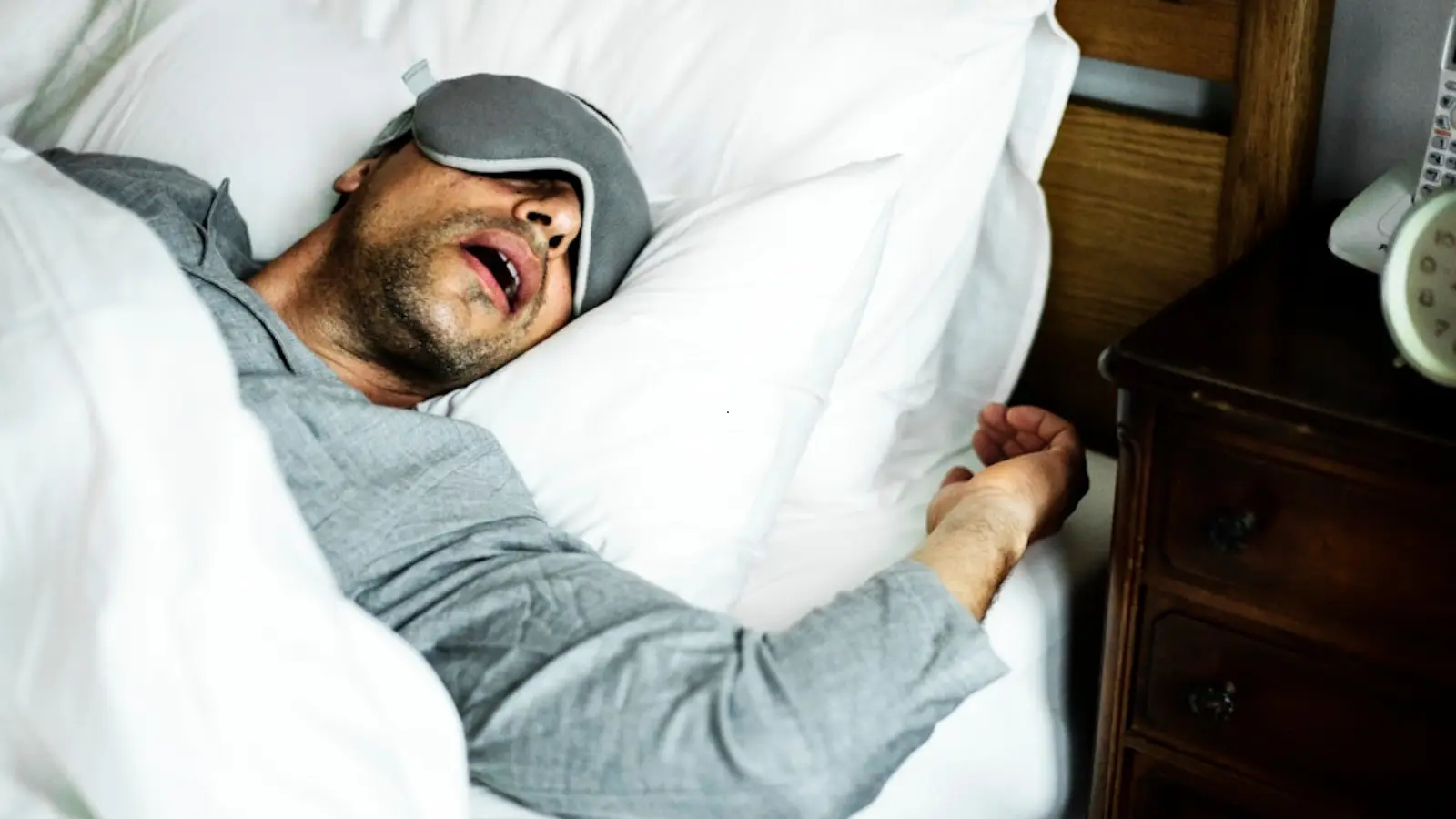
People with sleep apnea often experience loud snoring, choking or gasping during sleep, and excessive daytime fatigue.
Health Risks Associated with Sleep Apnea
Sleep apnea’s health risks extend far beyond poor sleep quality. They include:
1. Cardiovascular Issues: Sleep apnea is linked to high blood pressure, heart disease, and an increased risk of stroke. The repeated drop in blood oxygen levels strains the cardiovascular system.
2. Metabolic Health: There is a strong correlation between sleep apnea, obesity, and type 2 diabetes. The condition can exacerbate insulin resistance and make weight management more challenging.
3. Other Health Risks: Untreated sleep apnea can lead to cognitive decline, depression, and decreased quality of life due to constant fatigue and poor sleep.
Sleep Apnea and Life Expectancy
Research indicates that untreated sleep apnea can significantly affect and reduce life expectancy. Studies have shown that the health complications associated with sleep apnea, such as cardiovascular diseases and metabolic disorders, contribute to a shorter lifespan. For instance, individuals with severe untreated sleep apnea may have an increased risk of death due to heart disease and stroke. These findings underscore the importance of recognizing and treating sleep apnea to mitigate its impact on overall health and longevity.
Diagnosis and Treatment Options
Diagnosing sleep apnea typically involves a sleep study or polysomnography, which monitors your sleep patterns, breathing, and other vital signs. Once diagnosed, several treatment options can help manage the condition effectively:
1. CPAP Machines: Continuous Positive Airway Pressure (CPAP) machines keep your airway open by providing a constant stream of air.
2. Lifestyle Changes: Weight loss, avoiding alcohol, and sleeping on your side can alleviate symptoms.
3. Surgery: In severe cases, surgical interventions might be necessary to remove or shrink tissue or reset the jaw.
These treatments have been proven to improve health outcomes significantly, potentially increasing life expectancy by reducing the risk of associated health conditions.
Lifestyle Changes to Manage Sleep Apnea
In addition to medical treatments, certain lifestyle changes can help manage sleep apnea:
1. Weight Loss: Shedding excess pounds can reduce the fatty deposits in the throat and decrease airway obstruction.
2. Avoid Alcohol and Smoking: Both substances can worsen sleep apnea by relaxing the muscles in the throat or causing inflammation.
3. Exercise Regularly: Physical activity helps maintain a healthy weight and reduces the severity of sleep apnea symptoms.
4. Good Sleep Hygiene: Establish a regular sleep schedule, create a comfortable sleep environment, and avoid caffeine and heavy meals before bedtime.
Wrap Up!
Sleep apnea is a serious condition that can significantly affect your life expectancy if left untreated. However, with proper diagnosis and treatment, you can manage the condition effectively and improve your overall health and longevity. If you suspect you have sleep apnea, it’s crucial to seek medical advice and explore treatment options. Dentist Frisco is here to help you navigate your sleep health. Don’t let sleep apnea shorten your life—take action today. Schedule a consultation with us and take the first step towards better sleep and a healthier life.