10475 Preston Rd, #200, Frisco, TX 75033


How Long Do Dental Bridges Last? Tips for Maximizing Their Lifespan
Book Online
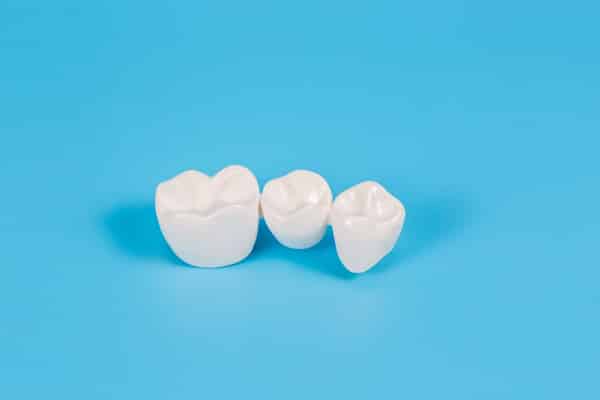
Dental bridges are a popular solution for replacing missing teeth, restoring your smile, and improving oral health. But like any dental restoration, you may wonder: how long do dental bridges last? The answer depends on several factors, including the material used, oral care habits, and your overall health. On average, dental bridges last between 5 to 15 years. However, with the right care, they can last even longer. Here are some useful tips for extending the lifespan of your dental bridges and keeping them in excellent condition.
Factors Affecting the Lifespan of Dental Bridges
Several factors influence the life of dental bridges. Understanding these factors can help you take proactive steps to preserve them.
- Material Type: Dental bridges are made from various materials, including porcelain, metal, or a combination. Porcelain bridges tend to have a more natural look but might wear down faster compared to metal bridges.
- Oral Care Habits: Brushing and flossing regularly can prevent plaque buildup and reduce the risk of cavities. Poor oral hygiene can lead to gum disease, which can shorten the lifespan of your dental bridge.
- Bite Pressure: If you have a habit of grinding or clenching your teeth (bruxism), it can place extra pressure on your dental bridge, causing it to wear down faster. Wearing a night guard can help prevent damage.
- Health Conditions: Certain health conditions, such as diabetes, may affect the healing process and longevity of your dental restoration. Maintaining good health can improve the durability of your dental bridge.
Tips to Maximize the Lifespan of Your Dental Bridges
While dental bridges are designed to be durable, proper care and maintenance are essential for maximizing their lifespan. Here are a few tips to keep them in top condition for as long as possible.
1. Practice Excellent Oral Hygiene
The foundation of any successful dental restoration is good oral hygiene. Here’s how you can care for your dental bridge:
- Brush your teeth twice a day with a fluoride toothpaste.
- Floss daily to remove plaque and food particles from between your teeth and around your bridge.
- Consider using an antibacterial mouthwash to kill germs and prevent gum disease.
Good oral hygiene not only helps protect the bridge but also prevents issues like tooth decay and gum infections that can shorten its lifespan.
2. Avoid Chewing Hard Foods
Dental bridges are durable, but they are not indestructible. Avoid chewing hard foods, such as ice, hard candies, or nuts, which can put stress on the bridge and cause it to crack or loosen. If possible, cut hard foods into smaller pieces to avoid putting pressure on your dental restoration.
3. Visit Your Dentist Regularly
Regular dental check-ups are crucial for maintaining your dental bridges. Your dentist will examine your bridge, ensure that it’s properly fitted, and address any potential issues before they worsen. Regular cleanings also help prevent plaque buildup that can weaken your bridge over time.
4. Use a Night Guard if You Grind Your Teeth
If you grind or clench your teeth, talk to your dentist about getting a custom-made night guard. Bruxism can place significant stress on your dental bridge, leading to cracks or premature wear. A night guard provides a protective barrier between your teeth, helping to preserve your bridge and other dental work.
5. Be Careful with Flossing
Flossing is essential for maintaining healthy gums and preventing tooth decay. However, be cautious when flossing around your dental bridge. Use a floss threader or special dental bridge floss to avoid dislodging or damaging the bridge while cleaning between your teeth.
When to Replace or Repair a Dental Bridge?
Even with the best care, dental bridges may eventually need to be replaced. Here are a few signs that it might be time to visit your dentist:
- Loose Bridge: If your dental bridge feels loose or moves when you chew, it may be time for a replacement.
- Decay or Damage: If the bridge becomes cracked or shows signs of decay, it should be repaired or replaced.
- Gum Recession: If your gums recede, the base of the bridge may become exposed, which can lead to discomfort and other dental issues.
Your dentist will help determine if a repair or replacement is necessary based on your individual needs.
By following these simple tips, you can extend the lifespan of your dental bridge and enjoy a healthy, beautiful smile for years to come. Remember, taking care of your dental restoration is essential for both aesthetics and function. If you have any questions or concerns about your dental bridge or oral health, don’t hesitate to reach out to our team of professionals for guidance.
If you need advice on maintaining your dental bridge or are due for a check-up, don’t hesitate to contact us. Our friendly team is here to help with any dental concerns you may have!