
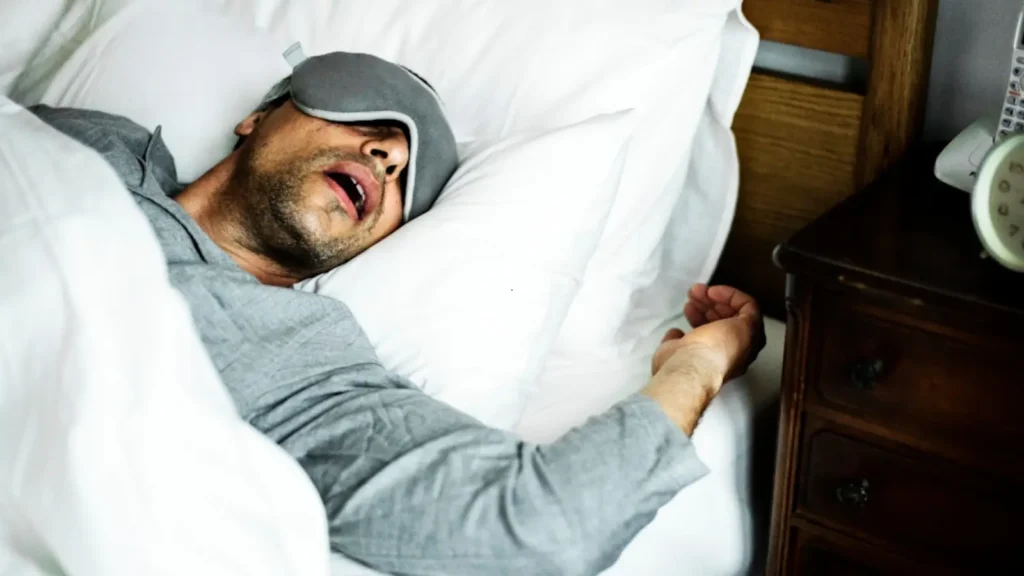
If treatment for sleep apnea is not received, this significant sleep disease may have a long-term negative impact on your health. Breathing irregularly during sleep is a symptom of this illness, which can cause poor sleep quality and potential complications such as cardiovascular issues, daytime fatigue, and even mental health challenges. The sleep apnea symptoms can vary depending on the type you have, but recognizing the signs early is crucial for getting the help you need. In this article, we’ll explore the three main types of sleep apnea and the specific sleep apnea symptoms associated with each.
Contents
Different Types & Sleep Apnea Symptoms
1. Obstructive Sleep Apnea (OSA)
The most prevalent type of sleep apnea is called obstructive sleep apnea (OSA). It happens when the throat’s muscles relax excessively when you’re sleeping. This relaxation might cause a partial or total obstruction of the airway. This blockage causes interruptions in breathing, which can last from a few seconds to a minute. OSA is often linked to obesity. However, it can also occur in individuals with other conditions. These include a narrow airway, enlarged tonsils, or a deviated septum.
Symptoms of Obstructive Sleep Apnea:
- Loud snoring: Among the most obvious signs of OSA is loud and persistent snoring. This occurs due to the vibration of soft tissues in the throat as air tries to pass through a narrowed airway.
- Choking or gasping during sleep: Individuals with OSA may suddenly wake up during the night feeling like they are choking or gasping for air. This is the body’s reflex to restart breathing after a pause.
- Excessive daytime sleepiness: Due to the frequent disruptions in sleep, people with OSA often experience significant fatigue during the day, making it difficult to stay awake or focus.
- Morning headaches: An additional typical symptom is having a headache upon waking caused by the lack of oxygen reaching the brain during sleep.
- Dry mouth or sore throat upon waking: If you’re experiencing a sore throat or dry mouth in the morning, it might be due to mouth breathing caused by constricted airways.
2. Central Sleep Apnea (CSA)
Central Sleep Apnea (CSA) is less prevalent than OSA and happens when the brain does not properly communicate with the breathing muscles. The airway isn’t physically blocked in CSA, unlike OSA. Instead, the problem is neurological. CSA often occurs alongside conditions that impact the brainstem, such as heart failure, stroke, or opioid use.
Symptoms of Central Sleep Apnea:
- Episodes of no breathing during sleep: Unlike OSA, where the individual may struggle to breathe, CSA episodes involve complete pauses in breathing without any effort to inhale.
- Frequent awakenings during the night: The brain’s failure to regulate breathing can cause repeated awakenings, leading to poor sleep quality.
- Difficulty staying asleep (insomnia): Many individuals with CSA find it challenging to stay asleep, resulting in fragmented sleep patterns.
- Shortness of breath: People with CSA may wake up feeling short of breath or with a sense of suffocation.
- Daytime fatigue: Similar to OSA, CSA can cause significant daytime drowsiness and difficulty concentrating due to the disrupted sleep cycle.
3. Complex Sleep Apnea Syndrome (Mixed Sleep Apnea)
Complex Sleep Apnea Syndrome, also known as Mixed Sleep Apnea or the combination of obstructive and central sleep apnea, is known as emergent central sleep apnea. This particular kind of apnea is usually discovered when someone being treated for OSA with a Continuous Positive Airway Pressure (CPAP) machine continues to experience central apneas. It’s a relatively new classification, and its symptoms overlap with both OSA and CSA.
Symptoms of Complex Sleep Apnea Syndrome:
- Persistent apneas despite CPAP treatment: The hallmark of this condition is that central apneas persist even after obstructive events have been controlled with CPAP therapy.
- Combination of OSA and CSA symptoms: Individuals may experience loud snoring, gasping, or choking, along with periods of no breathing.
- Worsening of symptoms over time: The symptoms can become more pronounced as the condition progresses, leading to increased difficulty in managing the disorder.
- Difficulty in adjusting to CPAP therapy: Many people with Complex Sleep Apnea Syndrome struggle to adapt to CPAP therapy, as it may exacerbate the central apneas.
Recognizing The Signs and Taking Action
Identifying sleep apnea symptoms early is essential for preventing complications and improving your overall health. Ignoring these signs might have serious repercussions. These can include elevated blood pressure and heart disease. There’s also an increased risk of accidents due to daytime sleepiness. See a medical professional who specializes in sleep problems. This is particularly important if you or a loved one is exhibiting any of the symptoms listed above.
Steps to Take:
- Consult a sleep specialist: If you think you may have sleep apnea, make an appointment with a sleep expert so they can conduct a sleep study to confirm the diagnosis accurately.
- Consider lifestyle changes: Weight loss, Reducing alcohol use and smoking can help lessen the severity of sleep apnea symptoms.
- Explore treatment options: Depending on the type and severity of sleep apnea, treatments may include CPAP therapy, oral appliances, surgery, or medication.
- Follow up regularly: Managing sleep apnea is an ongoing process, so regular follow-ups with your healthcare provider are crucial to ensure the effectiveness of your treatment.
This condition, known as xerostomia, has to be treated appropriately. Regardless of the kind of sleep apnea you have—complex, central, or obstructive—the impact on your health can be profound if left untreated. Recognizing sleep apnea symptoms is crucial. Seeking timely intervention can improve your quality of life. It can also lower the chance of developing major health problems. Do any of the symptoms listed in this article apply to you? Don’t be afraid to ask a healthcare professional for advice and assistance.
Frequently Asked Questions About Sleep Apnea and Its Different Types!
1. Can sleep apnea be misdiagnosed as another sleep disorder?
Yes, sometimes doctors misdiagnose sleep apnea as other sleep disorders. Such as insomnia or restless leg syndrome, especially if the primary symptoms are daytime fatigue or difficulty staying asleep. A proper sleep study is essential for an accurate diagnosis.
2. Can sleep apnea cause mental health issues like anxiety or depression?
Yes, untreated sleep apnea can contribute to mental health issues such as anxiety and depression. The chronic sleep deprivation and lack of oxygen to the brain can lead to mood swings, irritability, and an overall decrease in mental well-being.
3. Is it possible to have more than one type of sleep apnea simultaneously?
Yes, it is possible to have a combination of both Obstructive Sleep Apnea (OSA) and Central Sleep Apnea (CSA). This is Complex Sleep Apnea Syndrome or Mixed Sleep Apnea. This condition requires specialized treatment and management.
4. Can children develop sleep apnea, and are the symptoms different from adults?
Yes, children can develop sleep apnea, but their symptoms can differ from adults. Common symptoms in children include snoring, bedwetting, hyperactivity, poor school performance, and difficulty breathing during sleep. Pediatric sleep apnea often requires different diagnostic and treatment approaches.
5. Are there any non-invasive treatments for sleep apnea that don’t involve a CPAP machine?
Yes, there are non-invasive treatments for sleep apnea. Such as oral appliances that reposition the jaw and tongue to keep the airway open. In some cases, positional therapy, where patients sleep in a specific position to reduce airway blockage, can also be effective. However, the suitability of these treatments depends on the type and severity of sleep apnea
