
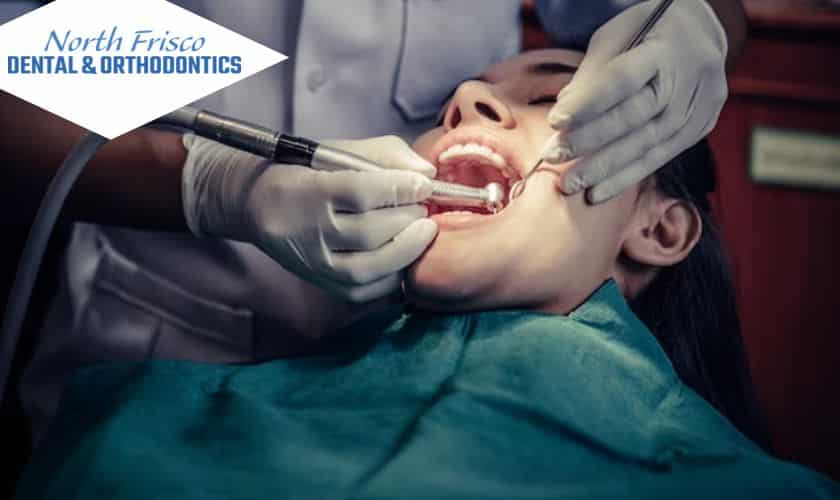
Do you have any dental issues? Do you have persistent bad breath, bleeding, or swelling? There’s a chance that you have periodontal disease. However, keep calm. There are excellent non-surgical therapy options to help you regain your oral health and self-confidence. We will discuss periodontal disease, its causes, and the numerous non-surgical treatments that can help treat it in this blog post. Let’s explore the realm of non-surgical periodontal treatment now, so sit back and unwind.
Contents
What Is Periodontal Disease?
Gum or periodontal disease is a frequent oral health issue affecting the tissues supporting and encircling your teeth. Plaque, the sticky film that builds up on your teeth, contains hazardous germs that first infect your mouth. This plaque hardens into calculus or tartar if frequent brushing and flossing are not used to eliminate it.
Gum irritation and inflammation are caused by tartar buildup along the gum line, which causes gingivitis, the initial stage of periodontal disease. You might experience redness, swelling, and bleeding when you brush or floss right now.
Gingivitis can develop into periodontitis, a more serious form of gum disease, if untreated. Bacteria flourish in pockets that grow between the gums and teeth due to periodontitis. These bacteria release poisons that destroy the connective tissue and bone supporting your teeth.
If left unattended, this decay can eventually result in tooth loss. Therefore, it is essential for maintaining dental health to diagnose and treat periodontal disease as soon as possible.
To properly treat gum diseases before they progress, routine dental exams can help identify early warning symptoms of the condition. Understanding the root causes of periodontal disease can help us better investigate non-surgical therapy alternatives for this problem.
Causes Of Periodontal Disease
While several factors can contribute to the development of periodontal disease, poor oral hygiene practices remain the primary cause.
When we neglect proper dental care, plaque and tartar build-up on our teeth and gums over time; plaque is a sticky film containing bacteria that constantly forms on our teeth. If not removed through regular brushing and flossing, it hardens into tartar or calculus. These deposits irritate the gums and lead to inflammation.
Another significant factor in periodontal disease is genetics. Some individuals may be more predisposed to developing gum problems due to their genetic makeup. Additionally, certain systemic conditions, such as diabetes, can increase the risk of periodontal disease.
Other lifestyle habits like smoking tobacco can also exacerbate gum issues by reducing blood flow to the gums and impairing immune function.
Inadequate nutrition, stress levels, and hormonal changes (such as during pregnancy) can all influence an individual’s susceptibility to periodontal diseases.
Understanding these causes helps emphasize proper oral hygiene practices’ importance in preventing periodontal disease. Regular visits with your dentist for professional cleanings and check-ups are essential for maintaining healthy gums and preventing complications down the line.
Non-surgical periodontal treatment options
Non-surgical periodontal treatment options are crucial in managing and preventing periodontal disease. These treatments are often recommended as a first defense before considering more invasive procedures.
Deep Cleaning: One common non-surgical periodontal treatment option is scaling and root planing, also known as deep cleaning. This procedure involves removing plaque and tartar from above and below the gumline and smoothing out any rough spots on the tooth roots to prevent bacteria buildup.
Antibiotics: Another non-surgical treatment option is using antibiotics or antimicrobial agents. These can be administered locally through gels or mouth rinses to help eliminate harmful bacteria contributing to periodontal disease.
Laser Therapy: Laser therapy may sometimes be a non-surgical treatment for periodontal disease. This involves using a dental laser to remove infected tissue and promote healing in the gums.
Good Oral Hygiene: Regular professional cleanings and good oral hygiene practices at home are important components of non-surgical periodontal treatment. By maintaining proper oral health habits, you can help prevent further progression of gum disease.
Non-surgical periodontal treatment options offer effective ways to manage and treat gum disease without surgery. Your dentist will work with you to determine which approach best suits your needs to achieve optimal oral health.
Periodontal disease is a common and serious oral health condition affecting millions worldwide. It is caused by the buildup of plaque and tartar on the teeth, which leads to inflammation and infection in the gums. Periodontal disease can result in tooth loss and other complications if left untreated.
Non-surgical periodontal treatment should always be tailored to each person’s needs with the help of a skilled dentist or periodontist specializing in treating gum diseases like the one mentioned above. Depending on how severe their condition is, they can use these different methods to get the best results and avoid needing more extensive surgery in the future when it becomes necessary.