
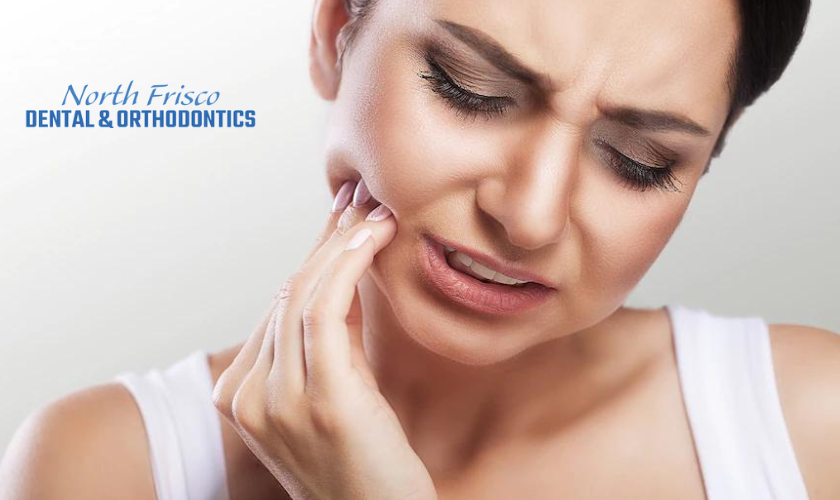
Do you feel a sharp pain in your teeth when drinking hot or cold food? Tooth sensitivity is a common problem, and one that can be quite painful. Tooth sensitivity occurs when the enamel on the tooth surface erodes or wears away, leaving the dentin exposed. Dentin is softer than enamel and contains small tubes with nerves in them, making sensitivity more likely. Tooth sensitivity can be caused by many different factors, but fortunately, it is also highly treatable. In this article, we will explore the causes of tooth sensitivity and some simple treatments that you can utilize to find relief.
Contents
Causes of Tooth Sensitivity
There are a variety of different causes of tooth sensitivity. Toothbrush abrasion, gum disease, and cavities are all common culprits. Toothbrush abrasion occurs when a person brushes their teeth too harshly or with a hard-bristled toothbrush, which can erode the enamel on the surface. Gum disease is caused by plaque buildup that irritates and inflames the gums. Cavities are caused when bacteria and sugar work together to create a hole in the tooth’s enamel, which can lead to sensitivity. Other causes of tooth sensitivity include acidic foods and drinks, teeth grinding, and even certain types of dental treatments such as whitening products or braces.
1: Toothbrush Abrasion
Toothbrush abrasion occurs when the enamel surface of the teeth is eroded by brushing too vigorously or with a hard-bristled toothbrush. This can expose the dentin, making the teeth more sensitive to temperature and pressure changes. It’s important to use a soft-bristled toothbrush and brush gently to avoid toothbrush abrasion.
2: Gum Disease
Gum disease is caused by plaque buildup on the teeth that irritates and inflames the gums, leading to sensitivity in the surrounding area. If left untreated, gum disease can further weaken the enamel, making the teeth even more sensitive. Regular brushing and flossing are important for preventing gum disease.
3: Cavities
Cavities occur when bacteria and sugar create a hole in the tooth’s enamel, which can lead to sensitivity because it exposes the dentin beneath. Cavities can be prevented with good oral hygiene, a balanced diet, and regular dental visits.
Treatments for Tooth Sensitivity
Fortunately, there are many different treatments available for tooth sensitivity. Depending on the cause of the sensitivity, a dentist near your location may suggest one or more of these treatments to help relieve the pain and discomfort.
1: Toothpaste for Sensitive Teeth
Several types of toothpaste are available on the market specifically designed for sensitive teeth. These toothpastes contain ingredients that help to block the dentin’s tubules so that hot and cold sensations can no longer reach the nerves in the middle of the tooth.
2: Fluoride Treatments
Fluoride treatments are another option for treating tooth sensitivity. Your dentist can provide a topical fluoride treatment that helps to strengthen the enamel and reduce sensitivity. This type of treatment is especially helpful if the cause of your sensitivity is toothbrush abrasion or erosion.
3: Desensitizing Treatments
Desensitizing treatments are another option for people with sensitive teeth. These treatments typically involve applying a special solution to the affected teeth, which helps to block the dentin’s tubules and reduce sensitivity.
Conclusion
Tooth sensitivity can be caused by various factors, from toothbrush abrasion to cavities. Fortunately, it is highly treatable with special toothpaste for sensitive teeth, fluoride treatments, and desensitizing solutions. If you are experiencing Tooth Sensitivity, talk to your dentist to determine the cause and receive recommendations for treatment.
FAQs:
Q: What causes Tooth Sensitivity?
A: Tooth sensitivity can be caused by toothbrush abrasion, gum disease, cavities, acidic foods and drinks, teeth grinding, and even certain types of dental treatments such as whitening products or braces.
Q: How do I prevent Tooth Sensitivity?
A: Tooth sensitivity can be prevented by practicing good oral hygiene, a balanced diet, and regular visits to the dentist. It is also important to use a soft-bristled toothbrush and to brush gently.
Q: What treatments are available for Tooth Sensitivity?
A: Tooth sensitivity can be treated with special toothpaste for sensitive teeth, fluoride treatments, and desensitizing solutions. Your dentist will help determine the best treatment plan for you.