Are you missing one or more teeth? Do you find it difficult to eat or speak properly because of the gap in your smile? If so, dental bridges may be the solution for you. Dental bridges are a common and effective way to replace missing teeth and restore both function and aesthetics to your mouth. In this blog post, we’ll explore what dental bridges are, how they work when to consider them, as well as how to prepare for the procedure. Let’s dive in!
Contents
Dental Bridges: What They Are And How They Work
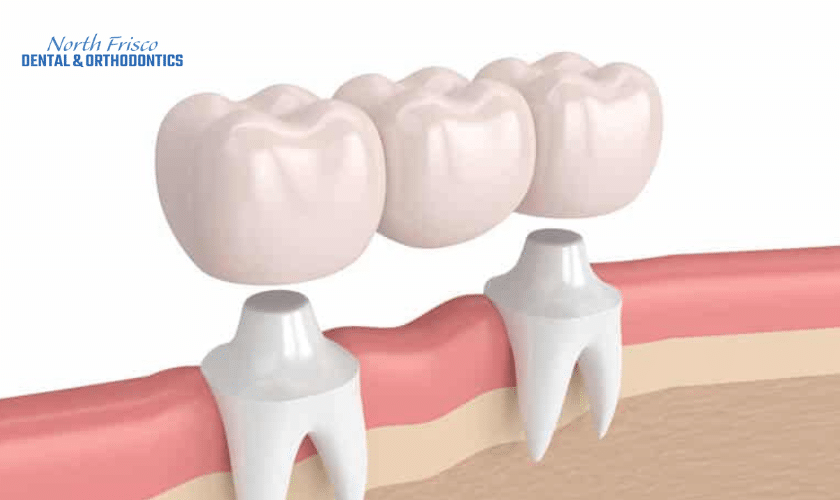
Dental bridges are dental appliances that are used to replace one or more missing teeth. These bridges consist of two or more crowns on either side of the gap, known as abutment teeth, which support a false tooth in between them. The false tooth is called a pontic and can be made from various materials such as porcelain, gold, alloys, or a combination of these.
The process of getting a dental bridge usually involves multiple visits to the dentist’s office. During the first visit, the dentist will prepare the abutment teeth by removing some enamel so that they can fit properly with the crown. After this is done, impressions will be taken so that custom-made bridges can be created for you.
Once your bridge is ready to be placed, your dentist will check its fit and make any necessary adjustments before cementing it permanently onto your abutment teeth. This ensures that your new dental appliance feels comfortable and snug within your mouth.
In addition to restoring your smile’s appearance and functionality after tooth loss, dental bridges offer many benefits such as preventing remaining natural teeth from shifting out of place due to gaps left by missing ones. They also help distribute bite forces across all remaining natural teeth evenly.
Dental bridges provide an effective solution for replacing missing teeth while preserving oral health and function.
Types Of Dental Bridges
When considering dental bridges, it is important to understand the different types available. The most common type of dental bridge is a traditional fixed bridge which involves placing a crown on either side of the gap with a pontic, or false tooth, in between.
Another type of dental bridge is a cantilever bridge which is used when there are teeth on only one side of the gap. This type of bridge can put more stress on the supporting teeth and may not be suitable for everyone.
Maryland bonded bridges are another option where porcelain or plastic teeth are fused to metal bands and cemented to adjacent teeth. These require less preparation than traditional bridges but may not be as durable.
Implant-supported bridges involve placing implants into the jawbone to support multiple crowns and bridgework. This method provides excellent stability and can help prevent bone loss in the jaw.
It’s important to discuss your options with your dentist and determine which type of dental bridge would work best for your individual needs.
When To Consider A Dental Bridge
Dental bridges are an effective solution for replacing missing teeth. If you have lost one or more teeth, a dental bridge can restore your smile and help prevent further oral health issues. But when should you consider getting a dental bridge?
Firstly, if you have gaps in your smile due to missing teeth, it can negatively impact your self-confidence and make everyday tasks like eating and speaking difficult. A dental bridge can fill those gaps and give you back a complete set of functional teeth.
Secondly, missing teeth can also cause other dental problems such as shifting of the remaining teeth which may lead to bite misalignment or jaw pain. A dental bridge helps maintain tooth alignment by filling the gap left by the missing tooth.
If left untreated, missing teeth can lead to bone loss in the jawbone which could affect facial structure stability leading to premature aging appearance within some individuals over time.
If there’s enough healthy gum tissue that is sufficient for supporting a restoration then considering getting a dental bridge might be right for you!
How To Prepare For A Dental Bridge Surgery
Preparing for a dental bridge surgery is crucial to ensure that the procedure goes smoothly and efficiently. The first step in preparing for a dental bridge surgery is consulting with your dentist or oral surgeon. They will assess your oral health and determine if you are a good candidate for the procedure.
Before the surgery, you may be required to undergo some tests such as X-rays or impressions of your teeth. This will help in creating an accurate model of your mouth, which will be used as a reference when fabricating the dental bridge.
It’s important to inform your dentist about any medical conditions or medications you are taking before the surgery. Some medications can interfere with anesthesia and post-surgery pain management.
On the day of the surgery, it’s advisable to wear comfortable clothing and avoid wearing makeup or jewelry. You may also need someone to accompany you home after the procedure since anesthesia can affect your judgment and reflexes.
After the surgery, follow all post-operative instructions provided by your dentist carefully. This includes maintaining proper oral hygiene practices such as brushing twice daily and flossing regularly. Avoid eating hard foods that could damage or dislodge the dental bridge until it fully heals.
By following these steps, patients can prepare themselves for successful dental bridge surgeries while minimizing risks associated with complications during the recovery period.
Finishing Off
Dental bridges can be a great solution for missing teeth, but it’s important to carefully consider the pros and cons before deciding if they are right for you. If you are experiencing pain or difficulty eating due to missing teeth, a dental bridge could give you the relief you need. However, if your oral health is not strong enough to support a bridge or if other underlying issues need addressing, it may not be the best option.
If you do decide to move forward with getting a dental bridge, make sure to choose an experienced and reputable dentist who will provide thorough pre-surgery preparation and post-operative care. With proper care and maintenance, your new dental bridge can last many years and improve both the appearance of your smile and your overall quality of life.
Remember that every case is unique – what works for one person might not work for another. Ultimately, taking good care of your oral health through regular check-ups and good hygiene habits is the best way to prevent tooth loss in the first place. But should tooth loss occur despite all efforts at prevention; don’t hesitate to explore all available options – including dental bridges- with guidance from your dentist so that you can find what works best for you!