
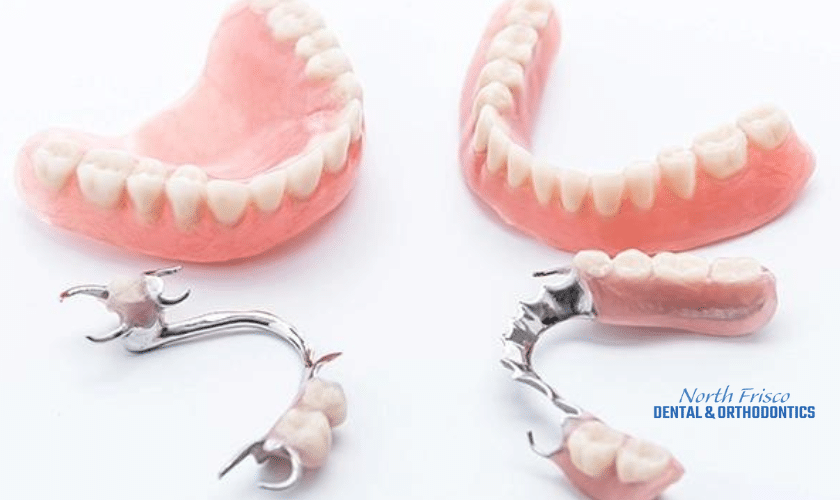
Are you considering dentures, but not sure if it’s the right choice for you? Deciding to switch to dentures can be a tough one, but it doesn’t have to be. With the right information and guidance, you can confidently choose dentures as a solution for your dental needs. In this guide, we’ll explore when it’s time to make the switch, what to expect from getting dentures, how to choose the right ones for you and tips on caring for them. Get ready to take charge of your dental health and smile with confidence again.
Contents
When To Make The Switch
Deciding to switch from natural teeth to dentures can be a difficult decision for many people. However, several signs indicate it may be time to make the switch.
One common reason is if you’re experiencing severe tooth decay or gum disease. These conditions can cause significant pain and discomfort, making it difficult to eat and speak properly. In some cases, extraction of multiple teeth may be necessary, leading to the need for dentures.
Another sign is if you have suffered trauma or injury that has caused irreparable damage to your teeth. Dentures can provide an effective solution in these situations by restoring your ability to bite and chew normally.
Age-related dental issues such as bone loss also contribute to needing denture replacements which prevent further problems in the long term such as jaw shrinkage which will affect how well they fit over time without replacement.
Ultimately, deciding whether or not to get dentures is an individual choice based on personal circumstances and needs. It’s important to consult with a dentist who can help determine what options are best suited for you and your oral health needs.
What To Expect With Dentures
When it comes to dentures treatment, many people wonder what they can expect as they make the transition. One of the first things you’ll notice is a change in your appearance. Dentures are designed to look like natural teeth, so you should have a full and healthy-looking smile once they’re in place.
At first, wearing dentures may feel uncomfortable or even painful. It takes time for your mouth to adjust to the new appliance, but with patience and practice, you will get used to them. You may experience some soreness or irritation at first as well.
Eating with dentures can also be a challenge initially. Start by cutting your food into small pieces and chewing slowly on both sides of your mouth. Avoid sticky or hard foods that could damage your dentures or cause them to become dislodged.
Speaking can also take some getting used to when wearing dentures. Practice speaking aloud and enunciating each word carefully until you feel comfortable enough to hold a conversation without any issues.
While adjusting to new dentures may require some patience and effort in the beginning stages, most people find that ultimately their quality of life improves significantly after making the switch from missing teeth or ill-fitting dental appliances.
How To Choose The Right Dentures
Choosing the right dentures can be a daunting task, but it’s an important decision that requires careful consideration. Here are some tips to help you choose the right dentures for your needs.
Firstly, consult with your dentist who will advise you on which type of denture is best suited for your dental needs. There are different types of dentures available such as full or partial and conventional or immediate. Your dentist will assess which type would work best based on factors like gum health, bone density, and lifestyle.
Secondly, consider the material used for making the denture. Acrylic resin is commonly used to make most traditional dentures while flexible resin materials offer greater comfort and stability in certain scenarios.
Thirdly, the budget should also be considered when choosing the right set of dentures. Conventional ones may be more affordable than newer implant-supported ones but not everyone may qualify for implants due to their oral condition or budget constraints.
Check reviews from other patients who have had similar procedures done by reading online testimonials or asking people around you about their experiences with getting fitted with new teeth.
Choosing the right set of dentures requires proper consultation with a professional and weighing up various options depending on individual circumstances such as cost and preference between different materials available.
Caring For Your Dentures
Once you have made the switch to dentures, it is important to properly care for them to maintain their appearance and functionality. Here are some tips on how to take care of your new teeth replacements.
Firstly, make sure to brush your dentures daily with a soft-bristled toothbrush and mild soap or denture cleaner. Avoid using regular toothpaste as it can be too abrasive and damage the material. Rinse thoroughly after cleaning.
It is also important to soak your dentures overnight in water or a specialized cleaning solution recommended by your dentist. This will help keep them hydrated and prevent warping or cracking.
When handling your dentures, be gentle and avoid dropping them as they can easily break if mishandled. Use a towel or basin filled with water when cleaning them over a hard surface.
Remember that just like natural teeth, dentures require regular check-ups from a dental professional. Schedule routine appointments with your dentist for exams and adjustments as needed.
By following these basic steps for caring for your dentures, you can ensure their longevity and continue enjoying all the benefits of having a healthy smile.
Bottom Line
Choosing to make the switch to dentures can be a big decision, but it can greatly improve your quality of life. If you are struggling with missing or damaged teeth, consider scheduling an appointment with your dentist to discuss your options for dentures.
Remember to take into consideration factors such as cost, comfort, and maintenance when choosing the right type of dentures for you. With proper care and regular check-ups with your dentist, dentures can provide a long-lasting solution to tooth loss.
So don’t let embarrassment or discomfort hold you back from living life to the fullest. Take control of your dental health today and start enjoying all the benefits that come with having a healthy smile.

