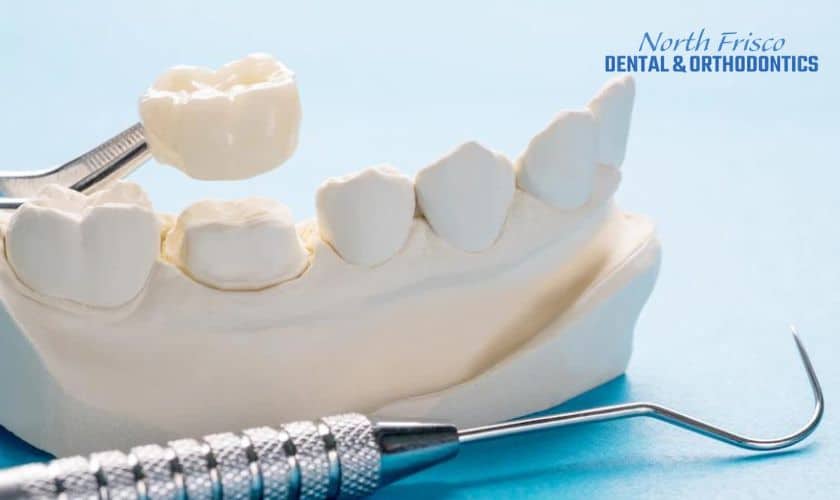
Dental crowns are a common dental treatment that helps protect your teeth from further damage, restore their appearance, and improve the strength of your smile. However, if not taken care of properly, dental crowns can easily be lost or dislodged. To ensure that you preserve the longevity of your dental crowns, it’s important to take proper preventive measures and take extra caution when cleaning them.
Contents
- Here are 9 Ways to Avoid Losing Your Dental Crowns
- Way 1: Regular Check-Ups with Your Dentist
- Way 2: Dental Cleaning
- Way 3: Avoid Chewing Hard Foods
- Way 4: Be Careful When Brushing
- Way 5: Avoid Chewing on Unnecessary Things
- Way 6: Don’t Clench or Grind Your Teeth
- Way 7: Be Careful When Eating Sticky or Chewy Foods
- Way 8: Use Mouthguards for Sports
- Way 9: Avoid Bad Habits
- Conclusion
- FAQs:
Here are 9 Ways to Avoid Losing Your Dental Crowns
Way 1: Regular Check-Ups with Your Dentist
It is important to visit your dentist regularly in order to maintain the health of your teeth and gums, as well as the condition of your dental crowns. During regular check-ups, your dentist will be able to make sure that the crowns fit correctly and that there is no sign of decay or damage. Your dentist may also recommend professional cleaning if they spot any build-up of plaque or tartar around the crowns.
Way 2: Dental Cleaning
Proper dental hygiene is essential when it comes to preserving your dental crowns. In addition to regular brushing and flossing, you should use specialized tools such as a water flosser or interdental brushes to clean around the edges of the crowns. This will help remove plaque and food debris from difficult-to-reach areas, while also reducing your risk of developing cavities.
Way 3: Avoid Chewing Hard Foods
Hard foods such as nuts and popcorn kernels can easily lead to the dislodgement of dental crowns, so you should make sure to avoid them. Stick to softer foods that won’t put too much strain on your teeth and gums when you eat.
Way 4: Be Careful When Brushing
When brushing your teeth, it’s important to take extra caution when cleaning around the edges of the crowns. Make sure not to use too much force or abrasive toothpaste during brushing, as this could cause damage or even lead to loss of dental crowns. Use a soft-bristled toothbrush and gentle motions when brushing the area around your dental crowns.
Way 5: Avoid Chewing on Unnecessary Things
Chewing habits such as nibbling your nails and using your teeth as tools can put unnecessary strain on your dental crowns, which will increase the risk of them becoming dislodged. Be aware of any bad habits that you may have and try to break them in order to preserve the longevity of your dental crowns.
Way 6: Don’t Clench or Grind Your Teeth
Clenching or grinding your teeth can also cause damage to dental crowns, so it’s best to avoid this behavior if possible. If you notice that you tend to clench or grind your teeth during the night, consider talking to your dentist about getting a nightguard to prevent further damage.
Way 7: Be Careful When Eating Sticky or Chewy Foods
Sticky and chewy foods such as caramel and gum can also put unnecessary strain on dental crowns, so it’s important to be careful when eating them. If you do choose to consume these types of foods, make sure not to bite down too hard in order to avoid damaging the crowns.
Way 8: Use Mouthguards for Sports
If you participate in sports that involve physical contact, it’s important to wear a mouthguard in order to protect your teeth from trauma or injury. This will help ensure that your dental crowns stay intact even when playing contact sports.
Way 9: Avoid Bad Habits
1: Don’t Smoke
Smoking is bad for your teeth and gums in general, as it can lead to discoloration, staining, and even gum disease. Not only that, but smoking can also weaken the adhesives that hold dental crowns in place, so it’s best to avoid this habit if possible.
2: Cut Back on Sugary Drinks
Sugar-filled drinks such as soda and energy drinks can cause tooth decay and damage the enamel of your teeth over time. If you do choose to consume these types of beverages, make sure not to drink them too frequently in order to avoid putting unnecessary strain on your dental crowns.
3: Limit or Eliminate Alcohol Consumption
Alcohol can weaken the adhesives used for dental crowns, making them more prone to damage and dislodging. If you do choose to drink alcoholic beverages, limit your consumption and make sure not to overdo it in order to protect your dental crowns.
Conclusion
Dental crowns are an excellent way to restore the function and appearance of your teeth, but they require special care in order to stay intact. Proper cleaning and avoiding hard foods, excessive chewing, and bad habits such as smoking can help ensure that your dental crowns remain strong and secure for many years to come.
FAQs:
Q: What can I do to protect my dental crowns?
A: Proper cleaning and avoiding hard foods, excessive chewing, and bad habits such as smoking can help ensure that your dental crowns remain strong and secure for many years to come.
Q: Is it safe to chew gum with dental crowns?
A: Chewing gum is generally considered safe with dental crowns, however, you should make sure not to bite down too hard in order to avoid damaging the crowns.
Q: How often should I see my dentist for check-ups?
A: It’s important to schedule regular check-ups with your dentist in order to maintain the health of your teeth and dental crowns. Depending on your individual needs, you may need to visit the dentist every three to six months for a cleaning and check-up.