
Welcome to our dental blog, where we discuss all the things you need to know about oral health. Today’s topic is on tooth fillings and when you should consider getting one. A lot of people tend to ignore the early signs of tooth decay and cavities, but did you know that waiting too long can lead to more serious dental problems? In this post, we’ll be discussing everything from why it’s important to get a tooth filling, the different types available, and when it’s time for an intervention. So buckle up and let’s dive into this essential aspect of maintaining good oral hygiene!
Contents
Why It’s Important To Get A Tooth Filling
Tooth decay is one of the most common dental problems that people face. When left untreated, it can lead to more serious oral health issues such as gum disease and tooth abscesses. This is why it’s important to get a tooth filling as soon as you notice any signs of decay or damage.
Getting a tooth filling treatment not only helps prevent further damage but also restores your teeth to their original shape and function. This means that you’ll be able to eat and chew comfortably again without worrying about any pain or discomfort.
Moreover, getting a tooth filling early on can save you from bigger expenses down the line. Ignoring small cavities may lead to larger ones that require more extensive procedures like root canal therapy or even extraction.
Having healthy teeth also contributes significantly to your overall well-being. Good oral hygiene prevents other health complications such as cardiovascular diseases and respiratory infections.
Getting a tooth filing treatment at the earliest sign of damage is crucial in maintaining good oral health and preventing further complications down the line.
The Different Types Of Tooth Filling
When it comes to tooth fillings, different materials can be used. Each material has its own set of benefits and drawbacks.
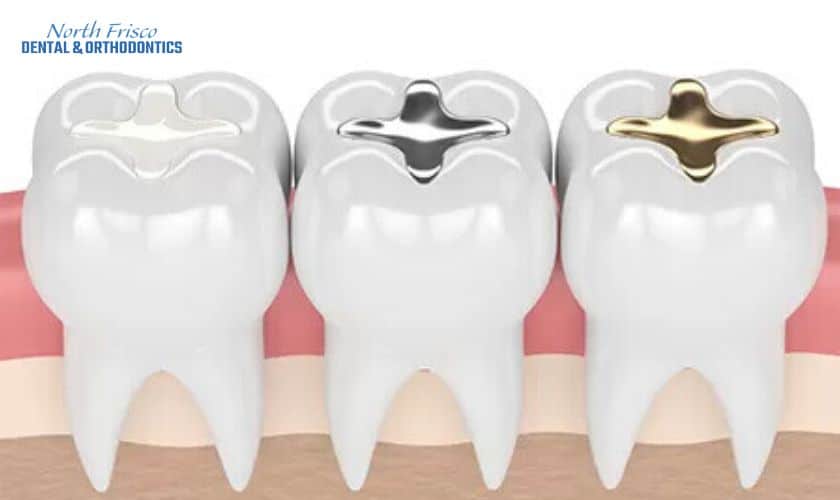
One common type of filling is amalgam. This material is made from a combination of metals such as mercury, silver, tin, and copper. While amalgam fillings are durable and long-lasting, they have a noticeable silver color that some people find unappealing.
Composite resin fillings are another option. These fillings are made from a mixture of plastic and glass particles that can be colored to match the shade of your natural teeth. They bond well with the tooth surface but may not last as long as other types of fillings.
Ceramic or porcelain composite resin fillings offer an even more natural look than traditional composite resin ones because they’re custom-made to match your teeth precisely. However, these types tend to be more expensive than other options.
Gold or metal alloy dental restorations provide excellent durability but also cost more than most other types of dental work.
Ultimately, the best type for you will depend on several factors including the location in your mouth where you need the filling placed; how much tooth decay needs treatment; how much time you’re willing (and able) to spend at the dentist’s office; and overall budget constraints among others.
When To Get A Tooth Filling
When it comes to dental fillings, timing is everything. The longer you wait to address a cavity or tooth decay, the more severe the problem can become. So, when should you get a tooth filling?
First and foremost, if you experience any pain or discomfort in your teeth, it’s important to schedule an appointment with your dentist as soon as possible. Pain can be an indicator of a cavity that has reached the nerve of your tooth.
Another sign that you may need a filling is sensitivity to hot or cold foods and drinks. This could mean that there’s decay near the surface of your tooth.
If you notice visible holes or pits on the surface of your teeth or if food frequently gets stuck between certain teeth, these are also signs that you may have cavities that require fillings.
It’s worth noting that not all cavities cause noticeable symptoms right away. That’s why regular dental check-ups are so important – they allow dentists to detect early signs of decay before they develop into larger problems.
In summary, if you’re experiencing pain or sensitivity in your teeth, have visible signs of decay such as holes or pits on the surface of your teeth, or notice food getting stuck between specific teeth frequently – it’s time to schedule an appointment with your dentist for potential filling treatment.
How To Prepare For Your Tooth Filling
Preparing for a tooth filling is important to ensure that the procedure goes smoothly and efficiently. Here are some tips to help you prepare:
1. Inform Your Dentist of Any Allergies or Medical Conditions You May Have
It’s essential to let your dentist know about any allergies or medical conditions you have before the procedure. This information will help them determine which type of filling material is safe for you.
2. Follow The Pre-Filling Instructions Given By Your Dentist
Your dentist may provide specific instructions on what to do before the filling appointment, such as avoiding certain foods or taking medication beforehand. It’s crucial to follow these instructions carefully for optimal results.
3. Arrive Early and Relax
Arriving early at your dental clinic can give you ample time to relax and calm down from any anxiety-related issues associated with the treatment process. Plus, it gives time for paperwork completion if required.
4. Wear Comfortable Clothing
Wearing comfortable clothes during a dental visit helps patients feel more relaxed while undergoing procedures like fillings, especially since they’ll be sitting in one position throughout their appointment.
By following these simple steps, you can make sure that your tooth-filling experience is as stress-free and comfortable as possible!
What To Expect After Your Tooth Filling
After getting a tooth filling, it’s important to take some time to care for your teeth properly. For the first few hours after your appointment, you may experience some numbness in your mouth or difficulty chewing due to the anesthetic used during the procedure.
You should avoid eating or drinking anything until the sensation has fully returned and try to stick to soft foods for the remainder of the day. You can also use over-the-counter pain relievers such as ibuprofen if needed.
It’s normal for your tooth and surrounding gum tissue to feel sore for a few days after getting a filling. If you experience any excessive pain or discomfort, contact your dentist immediately.
In addition, be sure to follow proper dental hygiene practices by brushing twice daily with fluoride toothpaste and flossing regularly. Your dentist may also recommend using a mouthwash containing fluoride or antibacterial properties.
Taking good care of your newly filled tooth will help ensure longevity and prevent future dental issues from arising.
Finishing Off
Getting a tooth filling is an important dental procedure that should not be ignored. Early intervention can prevent further damage and complications from arising. Understanding the different types of fillings available and when to get them are crucial aspects of maintaining good oral health.
Preparing for your appointment and knowing what to expect afterward will help ease any anxiety or discomfort you may feel during the process. Remember to continue practicing good oral hygiene habits, such as regular brushing and flossing, to maintain a healthy smile.
If you suspect that you may need a tooth filling or have any concerns about your dental health, don’t hesitate to schedule an appointment with your dentist today.

