10475 Preston Rd, #200, Frisco, TX 75033


Can Dental Bonding Fix Gaps Between Teeth? Find Out!
Book Online
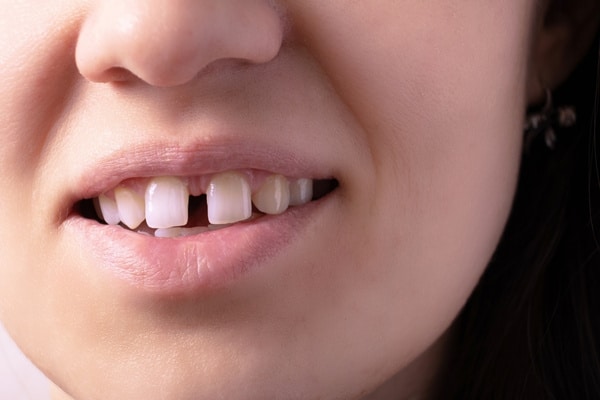
Dental bonding is a popular and effective solution for fixing gaps between teeth. Many people feel self-conscious about their smile due to gaps, and bonding offers a quick way to address this concern. The procedure is affordable, fast, and provides long-lasting results. A tooth-colored resin is applied to the affected area, blending seamlessly with your natural teeth. If you’re looking for a simple, painless option to enhance your smile and boost your confidence, dental bonding might be the perfect choice.
What is Dental Bonding?
Dental bonding is a cosmetic procedure that involves applying a tooth-colored resin to the teeth. This resin is shaped and polished to blend with the natural tooth. A special light hardens the resin, making it durable and secure. This is widely used to fix various cosmetic issues, including gaps, chips, and discoloration.
Benefits of Dental Bonding for Gaps
Here are some reasons why bonding is a great option for fixing gaps:
- Quick Procedure: The dentist can complete dental bonding in a single visit, often in less than an hour.
- Painless: This procedure is minimally invasive and usually doesn’t require anesthesia.
- Cost-Effective: Compared to veneers or braces, dental bonding is more affordable.
- Natural Look: The dentist matches the resin to the color of your teeth, making the bonding look natural.
- Easy Maintenance:You don’t need to take any special care —regular brushing and flossing are enough.
How Does Dental Bonding Work to Fix Gaps?
Bonding works by filling in the spaces between your teeth with composite resin. Here’s a step-by-step breakdown of how the procedure goes:
- Consultation: A dentist examines your teeth to ensure that bonding is the right choice for you.
- Preparation: The surface of the teeth is gently roughened to help the resin adhere. Sometimes, a mild conditioning liquid is applied.
- Application: A tooth-colored resin is applied to the tooth gap. The dentist shapes it to fill the space.
- Hardening: A special UV light is used to harden the resin in place.
- Finishing Touches: The dentist will polish and shape the resin to match the natural contour of your teeth.
What to Expect After the Procedure?
This is a simple procedure, but aftercare is still essential. Here’s how you can maintain your new smile:
- Avoid Staining Foods and Drinks: For the first 48 hours, avoid coffee, tea, wine, and tobacco.
- Good Oral Hygiene: Brush twice a day and floss regularly to keep the bonding clean.
- Regular Dental Check-Ups: Schedule regular visits to ensure the bonding remains in good shape.
- Avoid Biting Hard Objects: Refrain from chewing on ice, pens, or other hard items, as they can chip the bonding.
Why Choose Dental Bonding Over Other Treatments?
When it comes to fixing gaps, bonding has several advantages over other cosmetic treatments:
- Faster Than Braces: Braces can take months or even years to close gaps. Bonding offers immediate results.
- Less Invasive Than Veneers: Veneers require the removal of a thin layer of enamel. Bonding, on the other hand, keeps the natural tooth intact.
- Affordable Cosmetic Option: Veneers and crowns can be expensive. Dental bonding is a budget-friendly alternative.
Who is a Good Candidate for Dental Bonding?
Not everyone is an ideal candidate for bonding. Here are some factors that make someone suitable:
- Minor Gaps: Dental bonding works best for small to moderate gaps between teeth.
- Healthy Teeth: The teeth should be free from severe decay or gum disease.
- Non-Smokers: Smoking can stain the resin, affecting its appearance.
- No Teeth Grinding: People who grind their teeth may damage the resin over time.
If you’re looking to fix gaps between your teeth and want to learn more about dental bonding, our dental office is here to help! Schedule a consultation to find out if this procedure is the right choice for you. We are happy to guide you through every step to achieve the smile you desire.
