10475 Preston Rd, #200, Frisco, TX 75033


Warning Signs: When to Call Your Orthodontist After Dental Implant Surgery
Book Online
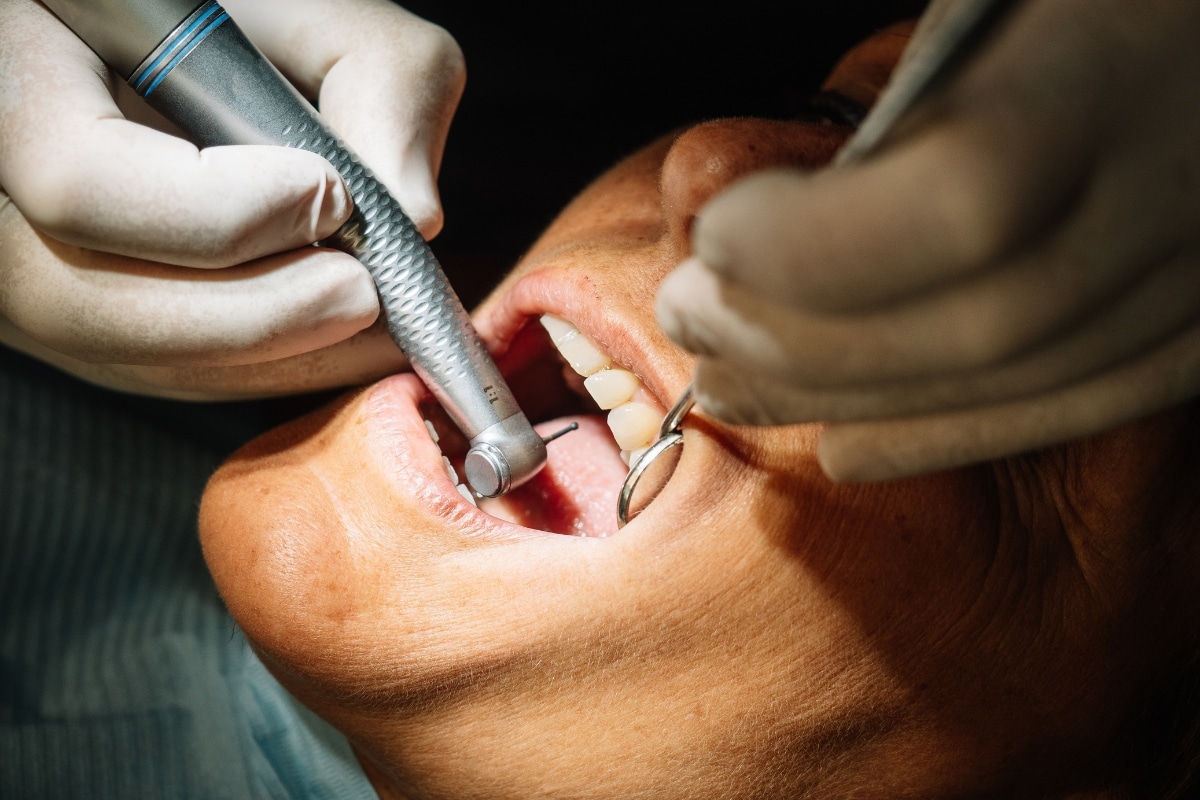
Dental implant surgery is an essential step in restoring your smile and improving your quality of life. However, like any surgical procedure, the recovery process requires attention to detail and care. While every patient’s recovery timeline varies, it’s crucial to be aware of certain warning signs that may indicate complications. Recognizing these signs early can lead to prompt action and ensure a smoother recovery.
If you notice anything unusual, it’s important to contact your orthodontist at North Frisco Dental & Orthodontics in Frisco, TX. By doing so, you can prevent more serious issues from developing and get the care you need to get back to your daily routine with confidence.
Understanding the Recovery Process
After your dental implant surgery, the recovery process is gradual, and understanding what to expect can help set your expectations and avoid unnecessary stress.
First Few Days
The first few days following surgery are typically when you will experience the most discomfort. During this period, it’s normal to have mild to moderate pain, swelling, and some bleeding. The pain is usually manageable with prescribed pain relievers, and the swelling should gradually reduce over the next few days. Ice packs can help minimize swelling, and it’s best to stick to soft foods and avoid vigorous activity during this time.
First Few Weeks
As you continue to heal, the intensity of pain and swelling should lessen. Within the first two weeks, the risk of infection decreases significantly, and you’ll notice the discomfort subsiding.
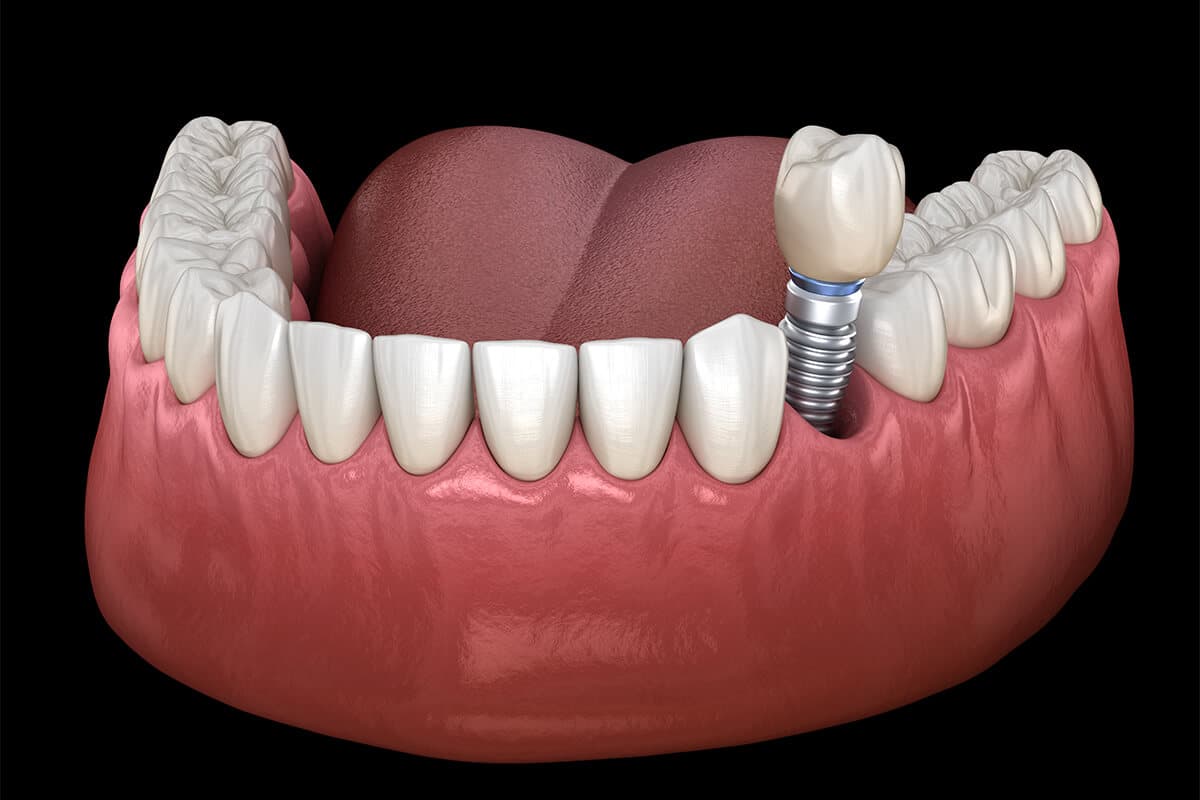
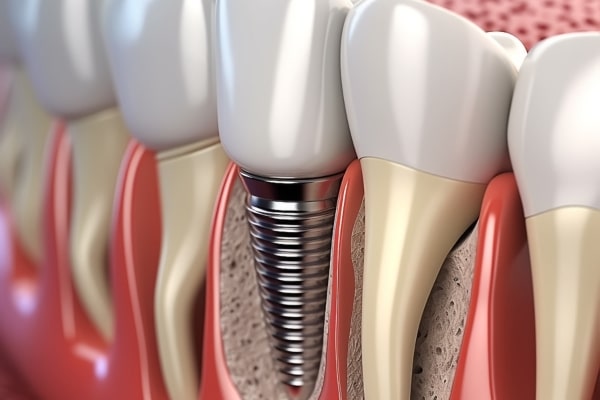
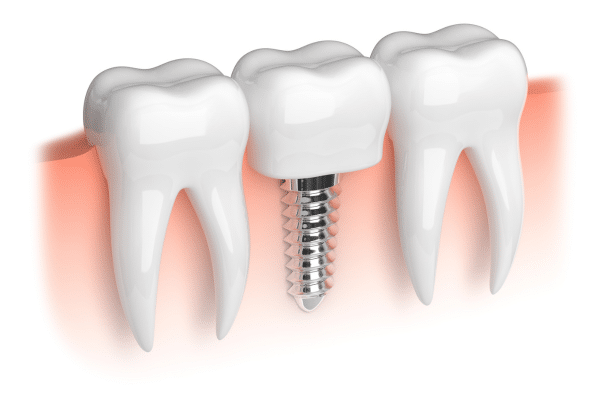
During this time, you’ll likely have follow-up appointments to monitor your healing progress. Your orthodontist will check that the dental implants in Frisco are integrating with the jawbone properly. It’s important to continue with gentle oral care, including brushing with a soft toothbrush, avoiding the surgical area, and using saltwater rinses as recommended.
However, while the initial recovery phase generally involves mild discomfort, some individuals may experience complications during the healing process. That’s why it’s critical to be aware of warning signs and reach out to North Frisco Dental & Orthodontics immediately if you experience anything unusual.
Common Warning Signs
While most dental implant surgeries go smoothly, it’s essential to recognize certain warning signs that may indicate an issue with your recovery.
Persistent or Severe Pain
Mild pain following dental implant surgery is expected, but if the pain intensifies after a few days or doesn’t respond to prescribed painkillers, it could be a sign of an issue. This might indicate infection, implant failure, or another complication. Pain that becomes increasingly sharp or throbbing should be addressed immediately by your orthodontist.
Excessive Swelling or Bleeding
Swelling and slight bleeding during the first few days are common, but excessive swelling or bleeding that continues beyond the initial days of recovery warrants attention. Swelling should begin to subside within a few days, and any bleeding should stop after the first 24 hours. If you notice persistent swelling or bleeding that doesn’t seem to improve, contact North Frisco Dental & Orthodontics for an evaluation.
Infection Symptoms
Signs of infection include fever, redness around the surgical site, foul-smelling discharge, or an increase in pain. If any of these symptoms develop, you should call your orthodontist immediately. Infections can significantly delay healing and may require additional treatment.
Implant Shifting or Loosening
If you notice any shifting, mobility, or loosening of the implant, it’s a serious concern. While the implant should integrate with the bone during the healing period, instability could mean that the implant hasn’t fused properly with the bone. It’s essential to monitor the implant closely during recovery and report any unusual movement to your orthodontist.
Numbness or Tingling
In some cases, patients may experience numbness or tingling in the mouth, lips, or chin after dental implant surgery. If these sensations persist beyond a few days or worsen, it could indicate nerve damage or other complications. Contact your orthodontist immediately if you experience any unusual numbness or tingling.
What to Do If You Notice a Warning Sign
If you notice any of the warning signs mentioned above, it’s essential to take the following steps promptly to ensure your recovery progresses as smoothly as possible.
Contact Your Orthodontist
At North Frisco Dental & Orthodontics, we are committed to ensuring your comfort and safety throughout the recovery process. If you notice any concerning symptoms, the first step is to call our office to discuss your situation.
Our team will assess your symptoms and advise you on whether a follow-up appointment or further treatment is needed. Be sure to provide as much detail as possible about your symptoms to help your orthodontist evaluate the situation effectively.
Follow the Post-Surgery Instructions
Adhering to your orthodontist’s post-surgery instructions is critical for avoiding complications. These instructions often include maintaining good oral hygiene, avoiding hard or chewy foods, and taking any prescribed medications on time. If you experience any changes in your symptoms, be sure to update your orthodontist.
Keep Track of Your Symptoms
It can be helpful to keep a journal of your symptoms, including the intensity of pain, any swelling or bleeding, and the appearance of the surgical site. This will give your orthodontist a clear picture of your recovery and help guide treatment if necessary.
When to Seek Immediate Medical Help
While most dental implant surgeries recover smoothly with proper care, there are rare cases when immediate medical attention is needed. Recognizing these extreme symptoms early is crucial to preventing long-term damage and ensuring your health is protected.
Here are some situations where seeking emergency care is necessary:
Severe Infection Symptoms
Infections are one of the most serious complications following dental implant surgery. If you experience signs of an infection, it’s important to seek immediate medical attention. Some key indicators include:
- High fever: A fever that doesn’t subside or worsens can be a sign that your body is fighting off an infection. It’s especially concerning if you’re also experiencing chills, excessive sweating, or a general feeling of being unwell.
- Swelling: While mild swelling is common during recovery, sudden or severe swelling that continues to worsen can indicate an infection. If the swelling extends beyond the surgical site, such as to the face or neck, or if it becomes hard to breathe or swallow, immediate care is necessary.
- Foul-smelling discharge: Any pus-like or foul-smelling discharge coming from the implant site is a red flag for infection. This is often accompanied by pain, redness, and a noticeable shift in the implant.
- Increased pain: Pain that becomes sharp, throbbing, or unbearable after the first few days can be a sign of infection or implant failure. If the pain does not subside with prescribed pain medication, it’s time to seek medical attention.
Uncontrollable Bleeding
Bleeding after getting dental implants in Frisco is expected, but it should stop within the first 24 hours. If the bleeding continues or becomes uncontrollable, it’s essential to seek emergency care. You can apply gentle pressure to the area with gauze, but if the bleeding doesn’t stop after a reasonable amount of time or becomes severe, it may be a sign of a serious issue that requires immediate intervention.
In some cases, the blood vessels near the implant site may have been affected during the procedure, leading to excessive bleeding. Severe bleeding can also result from an underlying health condition, such as a clotting disorder, and may require professional care to manage the situation.
Nerve Damage or Extreme Numbness
While mild numbness or tingling around the mouth after surgery can be normal, extreme numbness or a complete loss of feeling that persists for several days may indicate nerve damage.
If you experience numbness or tingling that spreads to your lips, chin, or tongue, or if it is accompanied by a significant loss of sensation, it’s crucial to contact your orthodontist or visit an emergency dental care facility immediately.
Nerve damage can delay healing and cause permanent discomfort or sensitivity, so early treatment is important to prevent long-term effects.
When to Call for Emergency Help
If you encounter any of the extreme symptoms listed above, don’t wait for your scheduled follow-up appointment. Instead, seek emergency care as soon as possible. In cases like severe infection, uncontrolled bleeding, or nerve damage, the quicker you address the issue, the better your chances are for a full recovery.
Remember, it’s always better to be cautious when it comes to your health. If you’re ever in doubt, contact your orthodontist at North Frisco Dental & Orthodontics for professional guidance. Your smile and health are worth it!
Recovery from dental implant surgery can vary, but most patients can expect a smooth and uneventful process with proper care. By staying vigilant and aware of any potential warning signs, you can ensure your recovery goes as planned. Remember, complications are rare, but being proactive and reaching out to North Frisco Dental & Orthodontics if anything unusual arises can help prevent more serious issues.
If you have any concerns or notice any warning signs after your dental implant surgery, don’t hesitate to contact us. We’re here to guide you every step of the way through your recovery process, ensuring your smile is restored to its full potential. Book your appointment today with North Frisco Dental & Orthodontics and take the next step toward your healthy smile.
People Also Ask
What are the signs of an infection after dental implant surgery?
Signs of infection include fever, foul-smelling discharge, increased pain, and severe swelling. If you notice any of these, seek immediate medical attention.
When should I be concerned about bleeding after dental implant surgery?
Bleeding should stop within the first 24 hours. If bleeding continues or becomes uncontrollable, contact your orthodontist or visit an emergency care facility.
Is numbness normal after dental implant surgery?
Mild numbness is normal right after surgery, but if it persists or worsens, it could indicate nerve damage. Contact your orthodontist immediately.
Are there any activities I should avoid after dental implant surgery?
Avoid smoking, drinking through straws, or engaging in heavy physical activities during the initial healing phase. These can hinder the recovery process.
How often should I follow up with my orthodontist after dental implant surgery?
You will likely have follow-up appointments within the first few weeks and months to monitor the healing process. Be sure to attend these for the best results.