10475 Preston Rd, #200, Frisco, TX 75033


Emergency Dentistry Vs. Regular Dentistry: What’s The Difference?
Book Online
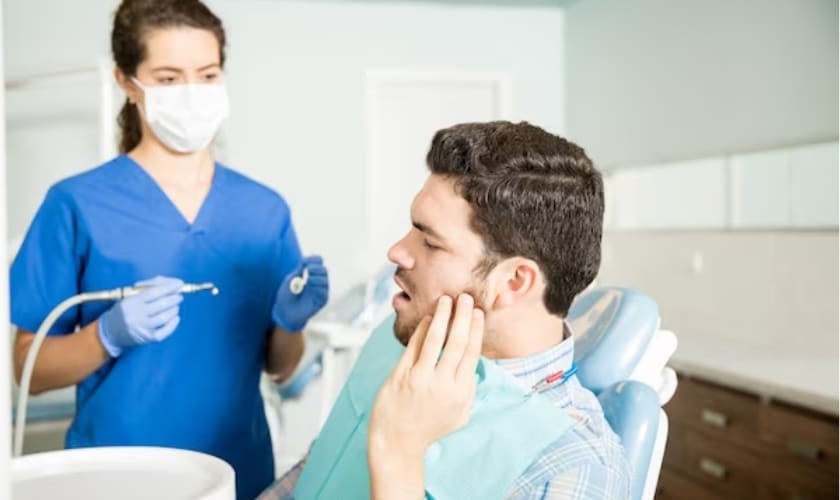
Dental care is crucial for maintaining overall well-being and a healthy lifestyle. Understanding the differences between emergency and regular dentistry is essential for addressing different dental situations. Emergency dentistry involves urgent attention to severe pain, injury, or sudden symptoms, while regular dentistry focuses on routine care and maintenance. Regular dental visits, such as every six months, are essential for preventive measures, comprehensive examinations, and cleanings. Common procedures include dental cleanings, fillings, crowns, root canals, and orthodontic treatments. Regular dentistry emphasizes preventive measures like oral hygiene, dietary recommendations, fluoride treatments, and sealants. Understanding these differences helps individuals make informed decisions, seek appropriate care, and prioritize regular dental visits.
Emergency Dentistry:
- Definition and Scope: Emergency dentistry provides immediate care for dental emergencies. These situations require urgent attention due to severe pain, injury, or sudden onset of symptoms.
- Common Dental Emergencies: Some common dental emergencies include toothaches, fractured teeth, and knocked-out teeth. These situations can cause extreme discomfort and require prompt attention.
- Immediate Actions to Take: When faced with a dental emergency, it’s important to take immediate action. This may include rinsing the mouth with warm salt water, applying a cold compress to reduce swelling, taking over-the-counter pain medications, and contacting an emergency dentist as soon as possible.
- How Emergency Dentists Handle Cases: Emergency dentists are trained to handle dental emergencies efficiently. They assess the situation, diagnose it, and provide appropriate treatment options. They prioritize relieving pain and addressing the immediate concern.
- Available Treatments and Procedures: The treatments and procedures in emergency dentistry vary depending on the specific dental emergency. They may include dental fillings, root canals, tooth extractions, reimplantation of knocked-out teeth, and temporary or permanent dental crowns.
Overall, emergency dentistry aims to alleviate pain, prevent further damage, and restore oral health promptly in emergencies. It is crucial to seek immediate attention from an emergency dentist when faced with a dental emergency to ensure appropriate care and prevent complications.
Regular Dentistry:
- Definition and Scope: Regular dentistry focuses on routine dental care and preventive measures to maintain optimal oral health. It involves regular dental visits, typically every six months, for check-ups, cleanings, and assessments.
- Importance of Regular Dental Visits: Regular dental visits are crucial for the early detection of dental issues before they become major problems. Dentists perform comprehensive examinations, dental cleanings, and evaluations of the overall oral health during these visits.
- Preventive Measures and Maintenance: Regular dentistry emphasizes preventive measures to maintain oral health. This includes proper brushing and flossing techniques, dietary recommendations, fluoride treatments, sealants, and oral hygiene education. Dentists may also guide habits like smoking cessation or teeth-grinding prevention.
- Common Dental Procedures and Treatments: Regular dentistry offers various procedures and treatments to address common dental problems. These include dental cleanings to remove plaque and tartar build-up, fillings to treat cavities, dental crowns to restore damaged teeth, root canals to save infected teeth, and orthodontic treatments for teeth alignment.
- Importance of Oral Hygiene Education: Regular dentistry educates patients about proper oral hygiene practices to prevent dental issues. Dentists provide personalized advice on brushing techniques, flossing methods, and other oral care habits to promote long-term oral health. Regular dentistry is vital in maintaining optimal oral health, preventing dental emergencies, and preserving healthy teeth and gums.
By prioritizing regular dental visits and following recommended oral hygiene practices, individuals can enjoy a healthy smile and reduce the risk of dental problems in the future.
Comparison:
- Urgency and Treatment Timelines: One key difference between emergency and regular dentistry is the urgency and treatment timelines. Emergency dentistry requires immediate attention, aiming to provide prompt relief and address the immediate issue. Regular dentistry, on the other hand, follows a more comprehensive and long-term approach to diagnosis and treatment.
- Approach to Diagnosis and Treatment: In emergency dentistry, the focus is on quickly identifying and treating the specific dental emergency. Emergency dentists prioritize addressing pain and stabilizing the situation. Regular dentistry takes a more comprehensive approach, focusing on preventive measures, routine check-ups, and long-term management of oral health issues.
- Cost Considerations: Emergency dental treatments may be more expensive than regular dental procedures due to the urgency and specialized care required. Emergency visits often involve immediate intervention and may require additional resources or materials. In regular dentistry, cost considerations are typically lower and may be covered by dental insurance or included in routine dental care plans.
- Relevance of Insurance Coverage: Insurance coverage plays a significant role in emergency and regular dentistry. Emergencies may or may not be fully covered by insurance, depending on the specific policy. Regular dental visits and procedures are often covered by dental insurance, making them more accessible and affordable for individuals.
Understanding these differences is crucial for individuals to prioritize dental care effectively. While emergencies require immediate attention, regular dental visits, preventive measures, and routine care are essential for maintaining optimal oral health and minimizing the need for emergency treatments in the future. It is recommended to seek immediate attention from an emergency dentist in case of a dental emergency and to prioritize regular check-ups to catch and treat potential issues early on.
Culmination
Dental emergencies require immediate attention to alleviate pain and address the immediate issue, while regular dentistry focuses on preventive measures, routine check-ups, and long-term management of oral health. By seeking immediate attention from an emergency dentist in a dental emergency and prioritizing regular check-ups, individuals can ensure that potential issues are caught early on and treated promptly. Additionally, regular dental visits and preventive measures are vital for maintaining optimal oral health, preventing dental emergencies, and preserving healthy teeth and gums. It is important to note that cost considerations and insurance coverage may differ between emergency dentistry and regular dentistry, highlighting the importance of being aware of your insurance coverage and planning for potential dental expenses. By prioritizing dental care and seeking immediate attention for emergencies, individuals can maintain a healthy smile and prevent more severe oral health issues in the future.
