10475 Preston Rd, #200, Frisco, TX 75033


How Gums Grow & Bond with Dental Implants
Book Online
Dental implants are a revolutionary tooth replacement option, offering a natural-looking and long-lasting solution for missing teeth. But have you ever wondered how these implants integrate seamlessly into your jawbone and create a stable foundation for your new smile? The answer lies in the remarkable partnership between dental implants and your gums (gingiva). This blog post dives deep into the fascinating process of how gums grow and bond with dental implants in Frisco, TX.
Gums (gingiva): Their role in oral health
Function: Gums are the unsung heroes of your mouth. They play a vital role in:
- Protecting the underlying bone and tooth roots from harmful bacteria.
- Supporting teeth and keeping them firmly in place.
- Contributing to a healthy and aesthetically pleasing smile.
Anatomy: Your gums are composed of several layers of tissue, each with a specific function:
- The outermost layer is a firm, pink tissue called the oral epithelium.
- This layer creates a barrier against bacteria and irritation.
- Beneath this lies the connective tissue, which provides structural support and houses blood vessels and nerves.
Dental Implants: Mimicking natural tooth roots
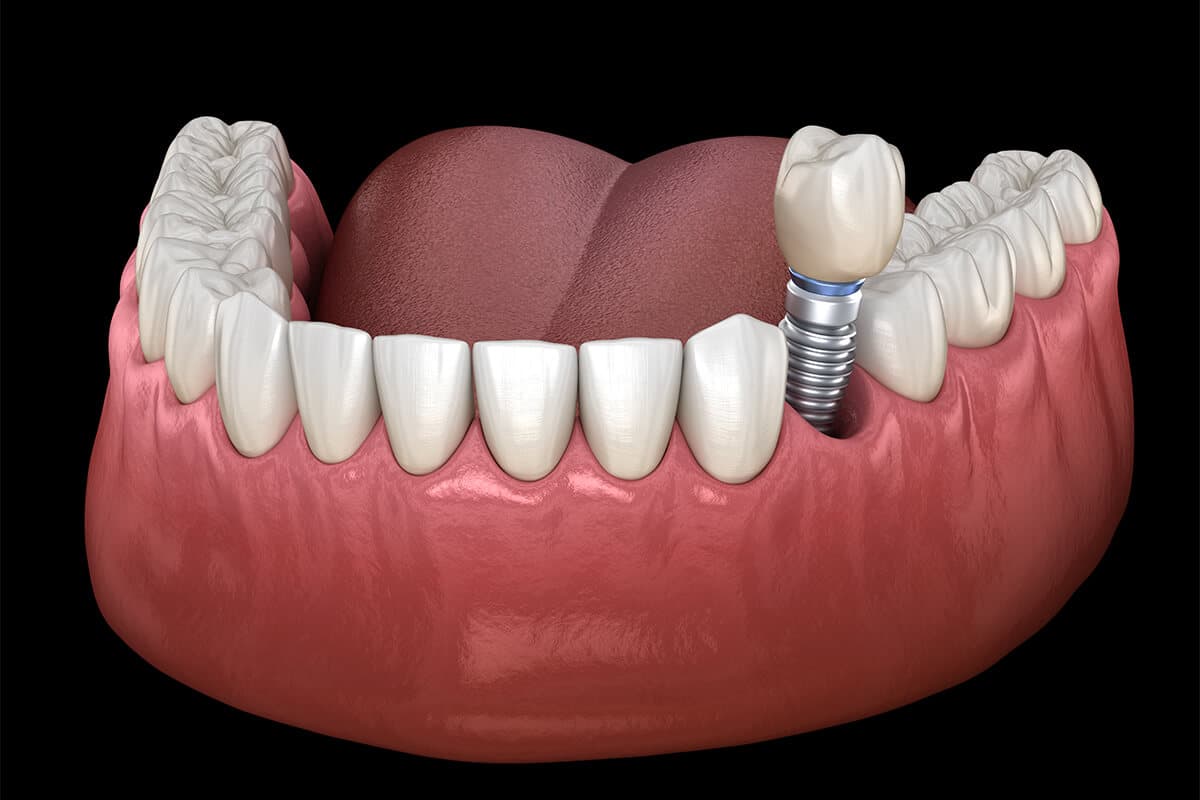
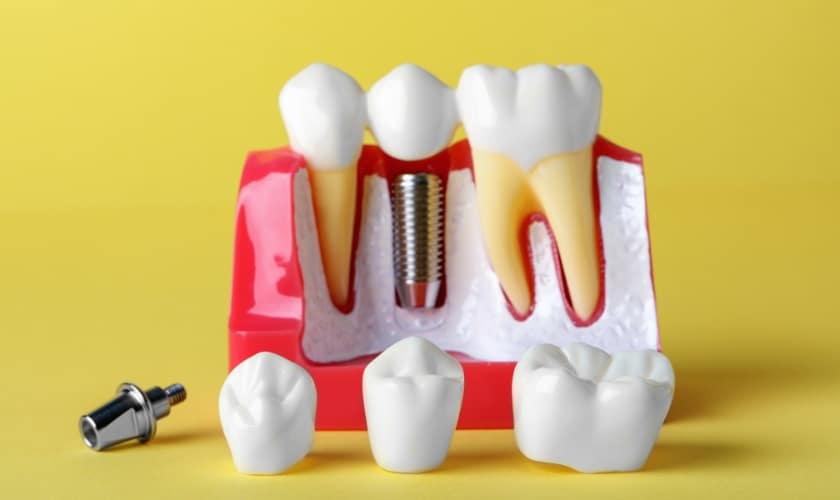
- Material & biocompatibility: Dental implants are typically made of titanium, a biocompatible material that readily integrates with bone tissue. This biocompatibility is crucial for successful osseointegration (explained later).
- Types of implants: Different types of implants exist, each with its own design and placement technique. Common implant types include screw implants and blade implants. Your dentist in Frisco, TX will recommend the most suitable implant type based on your individual needs.
The Implant Placement Process
Step-by-step breakdown of surgery:
- Consultation & planning: This initial appointment involves a thorough examination, X-rays, and a discussion of your medical history and expectations. Your dentist in Frisco will create a personalized treatment plan to ensure optimal results.
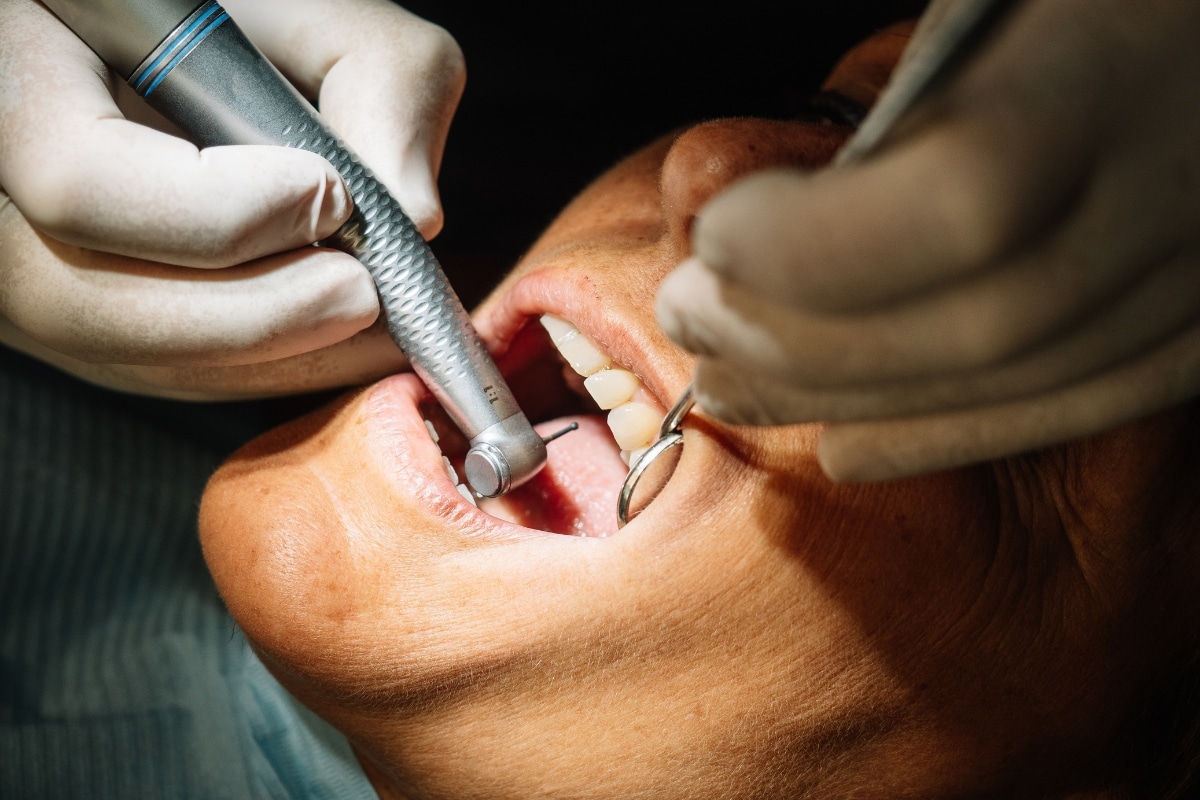
- Implant placement & healing abutment: During surgery, a small incision is made in the gum tissue to access the jawbone. The implant is then surgically placed into the bone, and a healing abutment is attached. This abutment serves as a temporary anchor for the future crown.
Healing & Osseointegration: Bone bonding with the implant
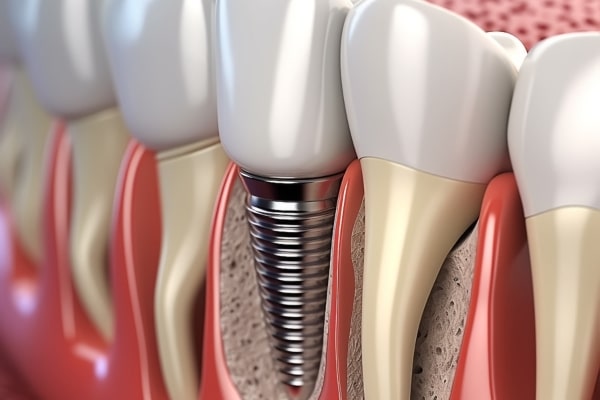
What is osseointegration? Osseointegration is the critical process by which the jawbone fuses with the dental implant. Over time, the bone grows around the implant surface, creating a strong and stable foundation.
Factors affecting healing time: Healing time can vary depending on individual factors like bone density and the complexity of the surgery. Generally, it takes several months for osseointegration to occur.
Gum Tissue Adapts & Seals the Deal:
Initial healing & potential inflammation: Following implant placement, some initial swelling and discomfort are normal. Your dentist will provide you with post-operative instructions to minimize these effects and promote healing.
Gum growth & shaping around the implant
- The role of temporary crowns: During the healing phase, a temporary crown may be placed to improve aesthetics and protect the implant site.
- Achieving a natural-looking gum line: Professional dentists in Frisco, TX can shape the gum tissue around the implant to create a natural and aesthetically pleasing gum line that seamlessly blends with your existing smile.
- The formation of a biological seal: A healthy gum tissue seal forms around the implant, preventing bacteria from entering the underlying bone and potentially causing infection. This seal is essential for the long-term success of dental implants.
Ensuring Long-Term Success:
- Brushing & flossing techniques for implants: Maintaining excellent oral hygiene is crucial for the longevity of your dental implants and the health of your gums. Your dentist will instruct you on proper brushing and flossing techniques specifically for implants.
- Regular dental checkups & professional cleanings: Schedule regular dental checkups and professional cleanings at your Frisco dental office. These appointments allow your dentist to monitor the health of your gums and implants, identify any potential issues early on, and ensure optimal oral health.
Potential complications & how to address them
- Peri-implantitis (gum inflammation around the implant: Just like teeth, dental implants can be susceptible to gum inflammation, known as peri-implantitis. This condition, if left untreated, can lead to bone loss and implant failure.
- Signs & symptoms to watch out for: Early signs of peri-implantitis include bleeding gums, swelling, and persistent bad breath around the implant. If you experience any of these symptoms, consult your Frisco Dentist immediately.
A Thriving Partnership – Gums & Implants
The strong bond formed between your gums and dental implants is the foundation of a healthy, beautiful, and functional smile. By understanding this remarkable process, you can appreciate the intricate teamwork between these two vital components.
Frequently Asked Questions
Will my gums always look natural around implants?
Skilled and experienced dentists in Frisco, TX can achieve a very natural appearance for your gum line around implants. Factors like the initial placement of the implant and proper gum tissue management during healing play a significant role.
How long does it take for gums to heal completely?
Gum healing typically takes a few weeks after implant placement. However, complete osseointegration, the fusion of bone with the implant, can take several months.
Can I smoke or vape with dental implants?
Smoking and vaping significantly increase the risk of peri-implantitis and other oral health complications. It’s best to avoid these habits altogether for optimal implant success.
What are the benefits of dental implants over dentures?
Dental implants offer several advantages over dentures:
- Implants feel and function more like natural teeth, improving your ability to chew and speak.
- They provide superior stability and eliminate the need for messy adhesives.
- Implants help preserve jawbone health by preventing bone loss that can occur with dentures.