10475 Preston Rd, #200, Frisco, TX 75033


How to Care For Your Dental Implants For Longevity?
Book Online
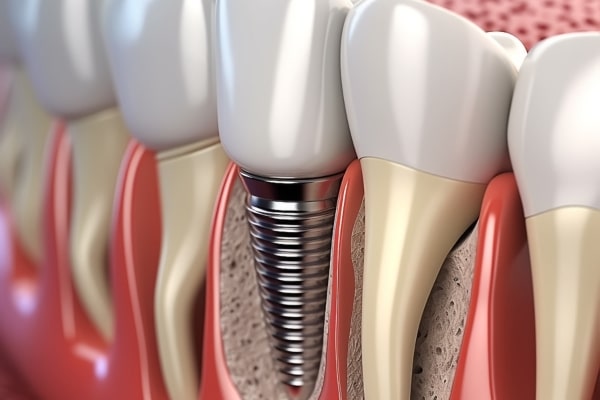
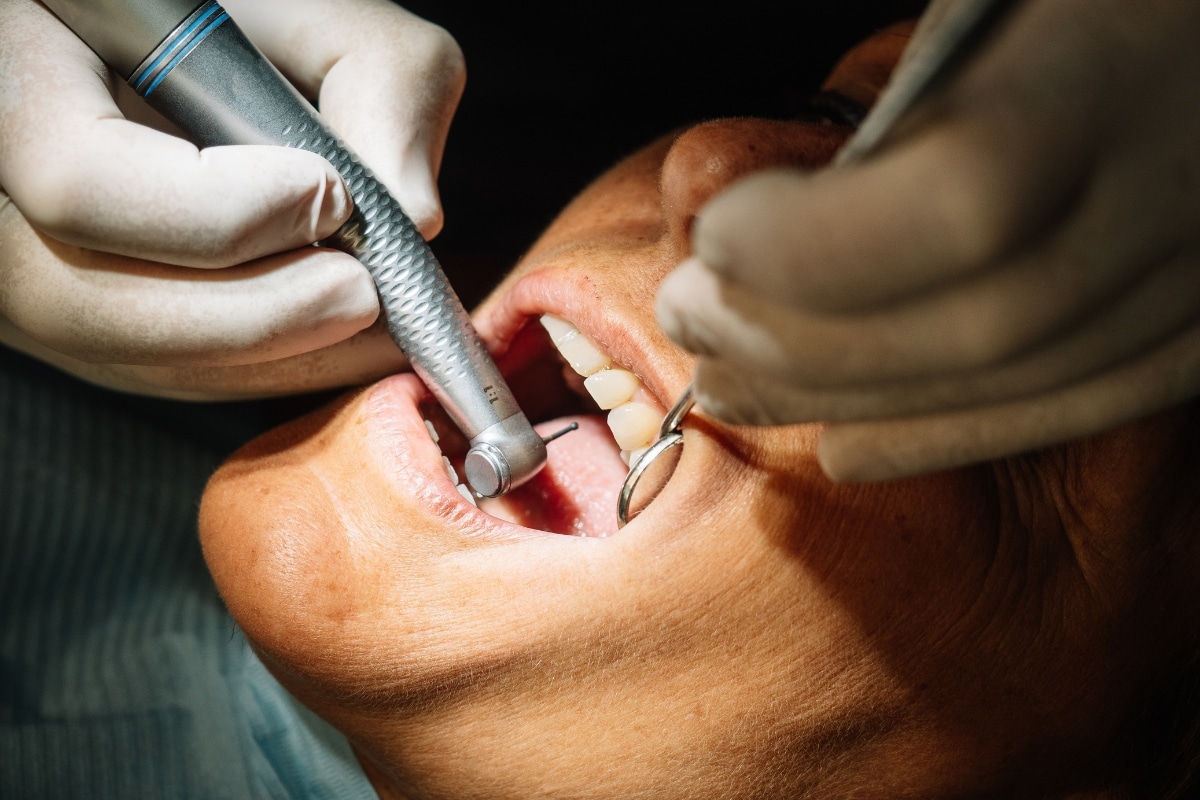
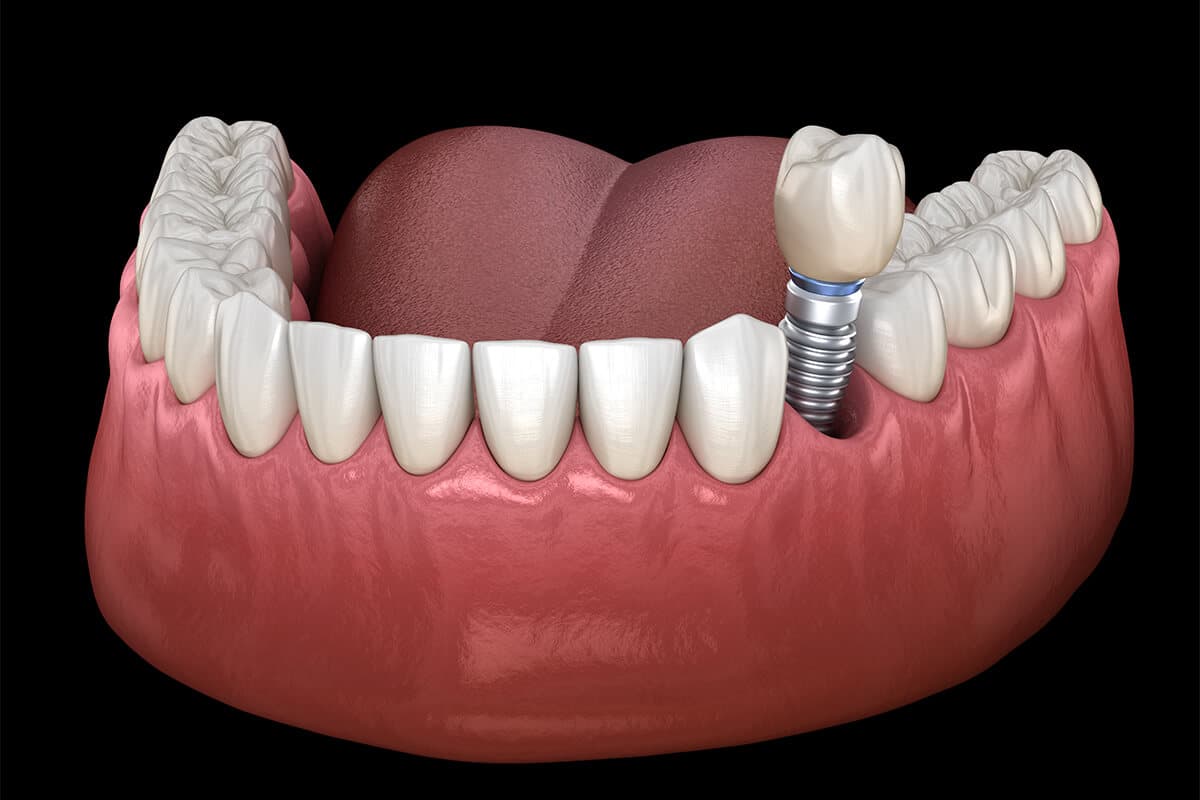
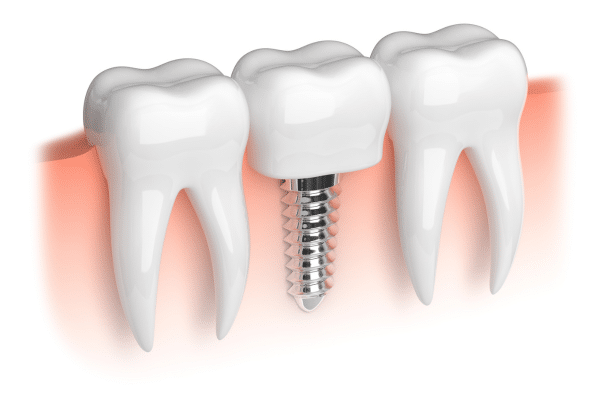
You will hardly find someone who can logically debate against the usefulness of dental implants when looking to replace missing teeth. Do you know the reasons behind the massive popularity of dental implants? It is primarily due to their natural appearance, durability, and restorative functionalities. Although implants are known for lasting an entire lifetime, your aftercare plays a vital role in ensuring their longevity. You need to understand that implants also require daily attention and healthy oral habits to stay in top-notch condition. So, how exactly do you need to care for them? Let’s take a detailed look at the blog to gain a comprehensive understanding of these activities.
Stick To A Consistent Oral Hygiene Routine
Just because there is no fear of decay in the case of dental implants in Frisco, like natural teeth, that doesn’t mean there is no need for maintaining your oral hygiene. There is always a chance of infections and inflammations in the surrounding bones and gum tissues. Brush your teeth at least twice daily using a soft-bristled toothbrush and non-abrasive toothpaste. Ensure to floss daily, as it helps clean areas that brushes fail to reach. Additionally, you can also use water flossers and interdental brushes for extra protection.
Choose The Right Dental Products
Understand that all dental products are not the same and might not be safe for your dental implants. Dentists generally advise patients on implant-friendly products. Non-abrasive toothpastes are usually recommended, as they avoid any risk of scratches on the artificial structure. Using mouthwash is always considered wise when taking care of implants, but ensure that you use an alcohol-free mouthwash. Try to use products designed explicitly for implants. They are now readily available on the market, so there’s no need for concern.
Maintain Regular Dental Check-Ups And Cleanings
Visiting your dentist for comprehensive dental check-ups and extensive cleanings plays a vital role in extending the life of dental implants. Do you know why? Professionals can closely monitor the condition of dental implants and take necessary actions quickly if the need arises. Your dentist can promptly detect early signs of infections and bone loss. They can also ensure the underlying conditions with the help of x-rays. Professional cleanings help prevent the buildup of plaque and tartar. Try to visit your dentist at least once every six months; they can adjust the schedule based on your individual dental needs.
Protect Your Implants from Physical Damage
While implants are sturdy, they’re not indestructible. Habits like teeth grinding, nail-biting, or chewing on hard objects can put excess stress on your implants and potentially damage them. If you grind your teeth at night, ask your dentist about a custom night guard. Avoid chewing ice and hard candies, as they can crack your dental implants. Participating in sports and physical activities is beneficial for your overall fitness. Never forget to wear a mouthguard to avoid injuries.
Watch for Warning Signs and Act Quickly
Even with proper care, issues can occasionally arise. Recognizing the signs of potential implant problems can help you take action before they become serious. Red, swollen, or bleeding gums around the implant can be an alert. Pain or discomfort when biting or chewing is another common symptom. Are you suffering from a loose implant or crown? Act quickly. Lastly, persistent bad breath or a bad taste in the mouth is also a reason to worry about. Contact your dentist promptly if you notice any of the above signs.
A Lifetime Investment in Your Smile
You will hardly find a better option than dental implants when seeking solutions for missing teeth. Following the above aspects will help you extend the lifespan of dental implants. Never forget to schedule regular dental visits in conjunction with home care and good habits. Treat them just like your natural teeth and stay careful, especially during the healing phase. Consult a dentist today to get new teeth.